Comic Books in the 90s: The Wildest Decade in Comics History
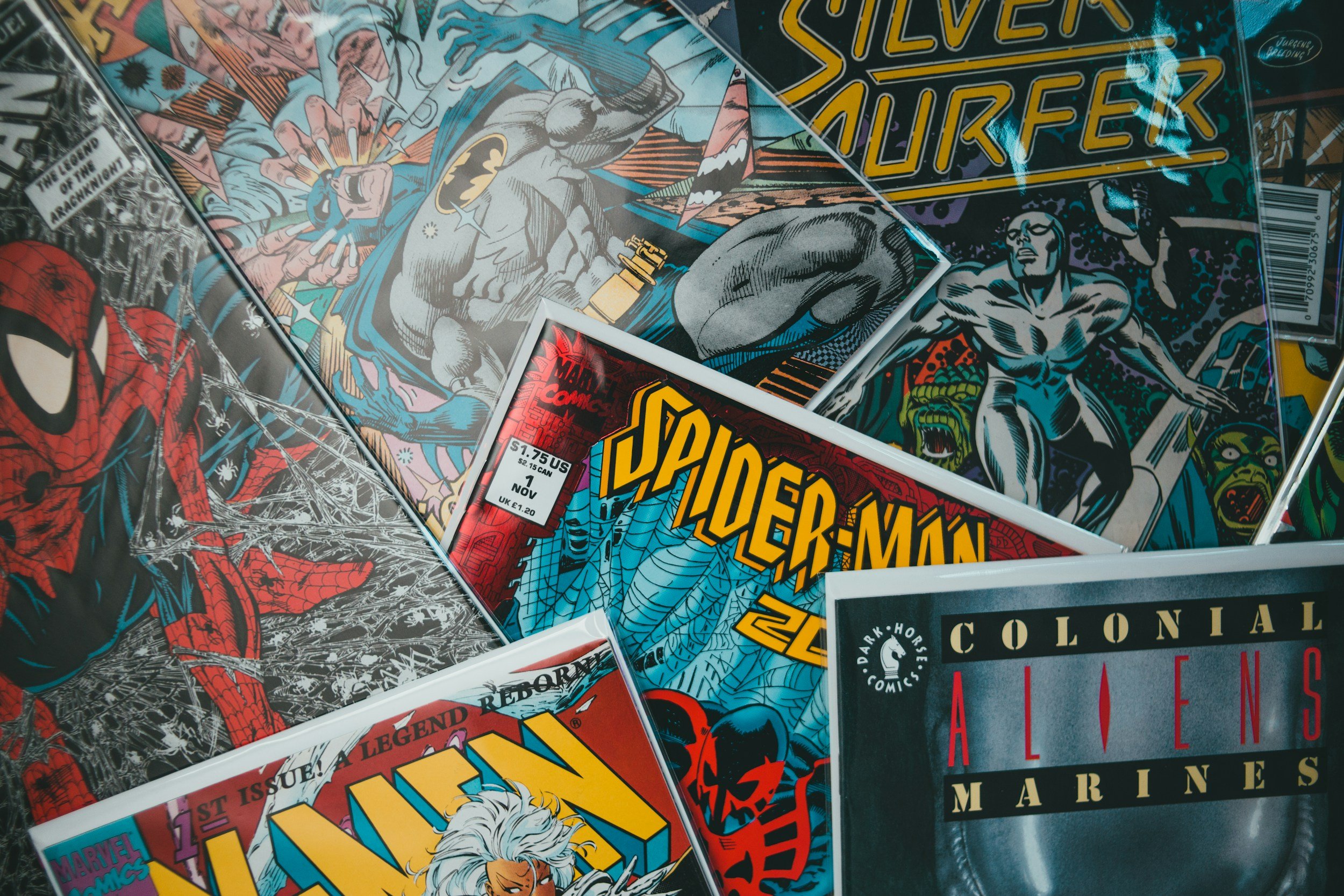
Image Credit: Photo Erik Mclean
The 1990s were a crazy, colorful, and often chaotic time for comic books. It was an era of massive popularity, bold creativity, and yes, some spectacular excesses. From foil covers and collector booms to the birth of Image Comics, the ‘90s changed the comic book world forever.
The Boom and the Bust
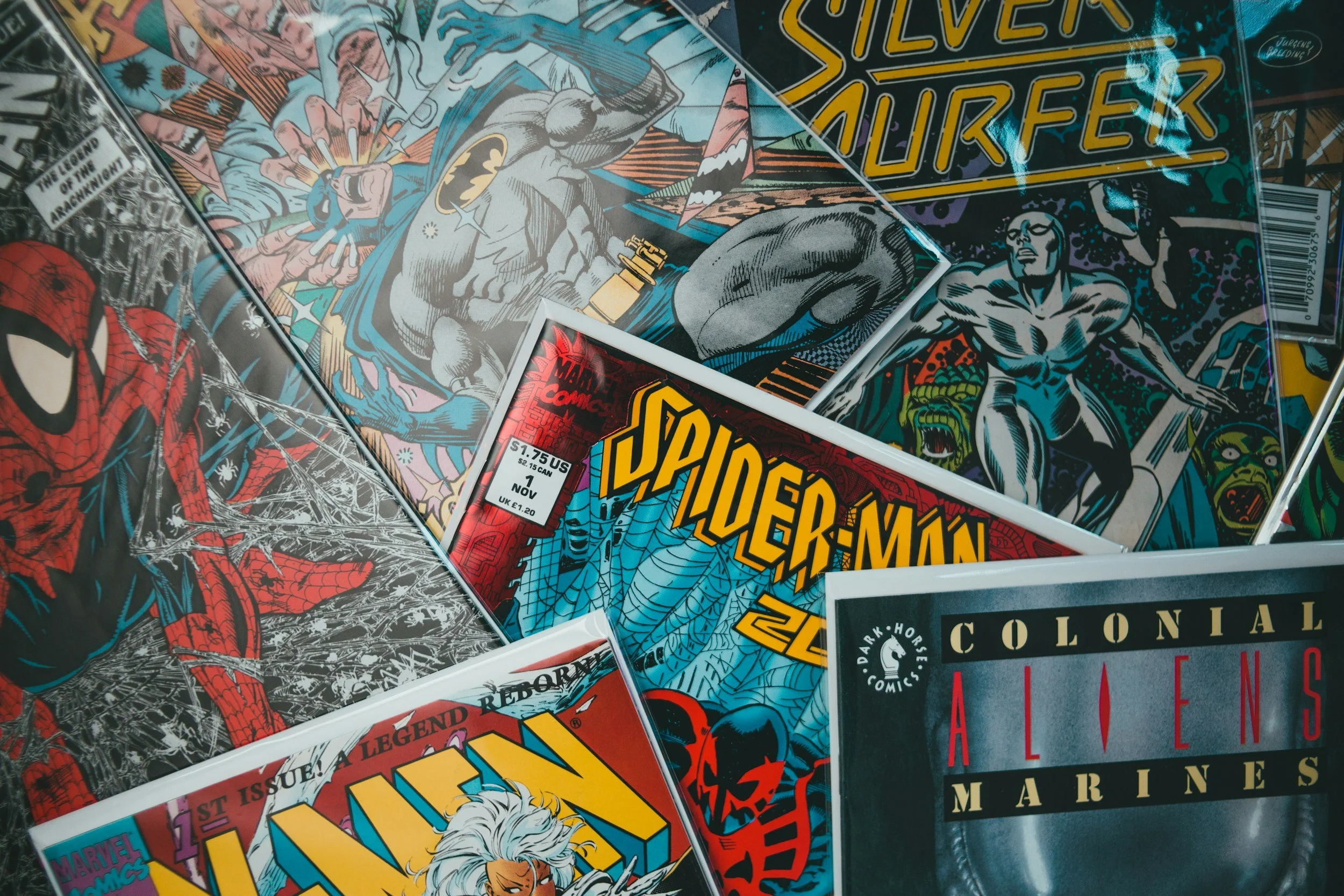
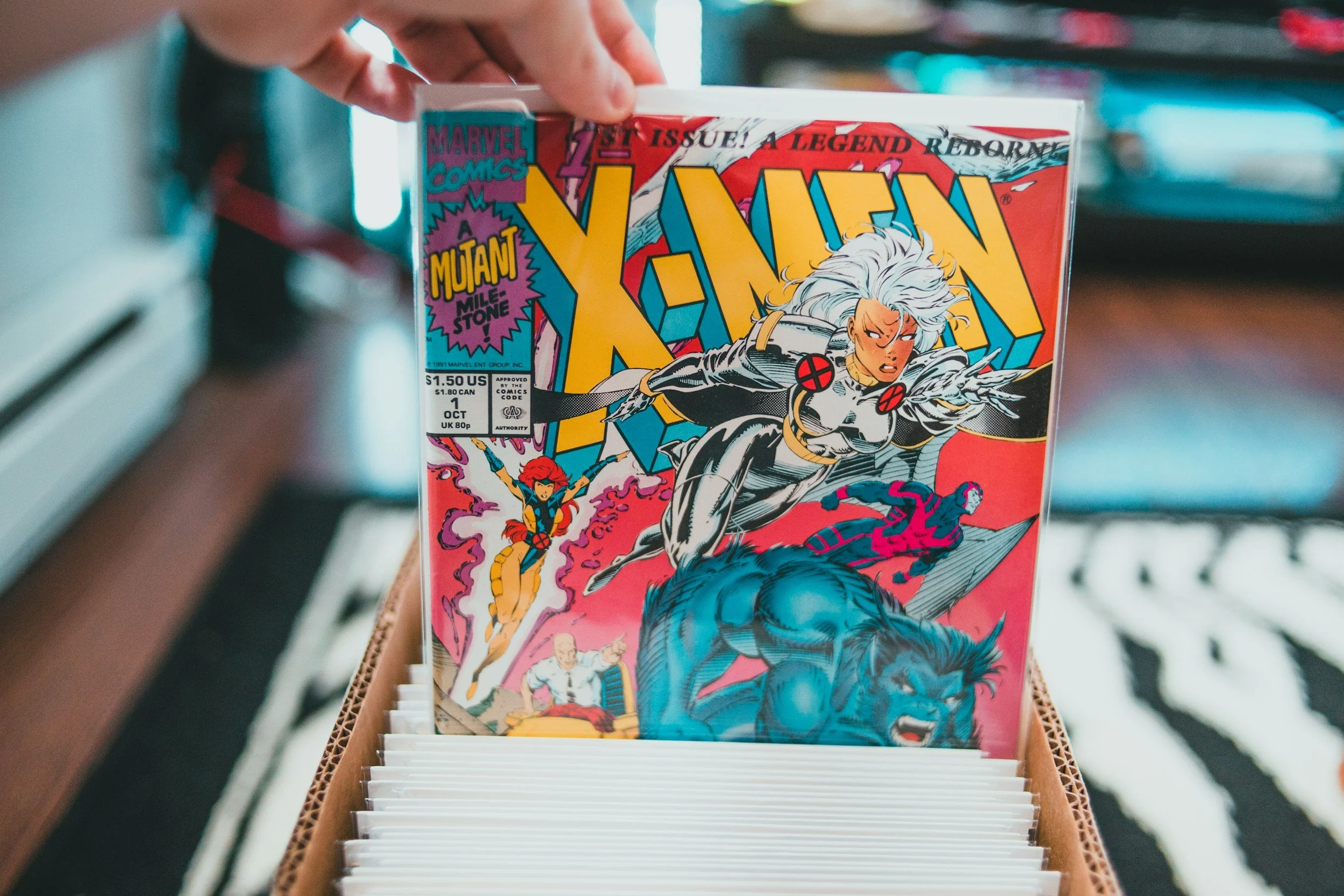
In the early ‘90s, comics were everywhere. Speculators and casual readers alike were buying multiple copies of hot new issues, convinced they’d become valuable collector’s items. Publishers like Marvel and DC fed the craze with flashy gimmicks, foil covers, holograms, die-cuts, and even glow-in-the-dark designs.
But when everyone was hoarding the same “rare” comics, the bubble eventually burst. By the mid-’90s, the market crashed, and many comic shops went under. It was a harsh lesson that not every comic with a shiny cover would pay off like Action Comics #1.
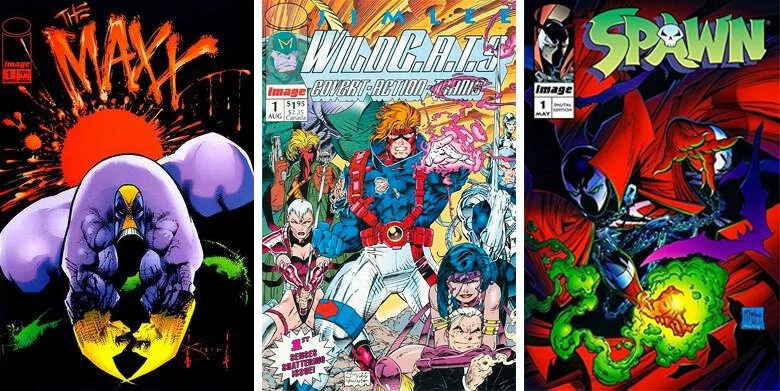
Image: Composite by Super Collectible. Cover art © Image Comics – Spawn #1 (Todd McFarlane), WildC.A.T.s #1 (Jim Lee & Scott Williams), The Maxx #1 (Sam Kieth).
The Rise of Image Comics
One of the most exciting developments of the decade was the rebel revolution led by superstar artists. In 1992, Todd McFarlane (Spider-Man), Jim Lee (X-Men), Rob Liefeld (X-Force), and several others broke away from Marvel to form Image Comics.
They wanted creative freedom and ownership of their characters, a radical idea at the time. Image gave us iconic titles like Spawn, WildC.A.T.s, and The Maxx. These comics defined ‘90s style with exaggerated art, edgy characters, and plenty of attitude.
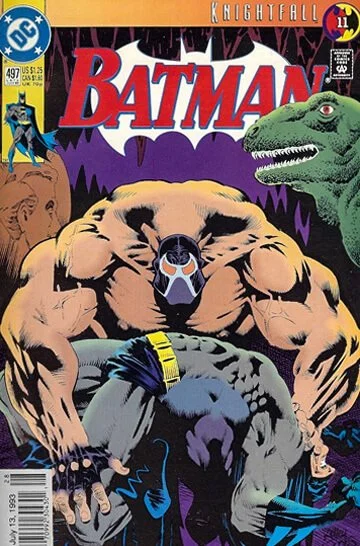
Image: © DC Comics – Batman #497 (July 1993). Cover art by Kelley Jones; written by Doug Moench.
Superhero Extremes
The heroes of the ’90s got darker, meaner, and more muscular than ever. Batman reached new levels of brooding after Knightfall, where Bane famously broke his back, shattering him physically and emotionally. Superman died in one of the biggest comic events of the decade. An event so big that it even made its way to national headlines. Marvel packed the shelves with edgy antiheroes like Venom, Cable, Deadpool, and Wolverine, characters built on attitude, mystery, and a whole lot of firepower. Publishers pumped out stories that felt more dangerous than ever before. It was a decade obsessed with grit and “cool factor.” Artists drew characters with sharper designs, bold silhouettes, and an edge that made everything feel larger-than-life.
Violence in comics also hit a new level during this era. Heroes and villains alike were bloodier, grittier, and more brutal than before. Fights left lasting scars, characters were maimed or killed, and stories pushed the boundaries of what mainstream publishers would allow. Titles like Spawn, The Punisher, and Wolverine embraced a darker tone that matched the era’s appetite for intensity and shock value.
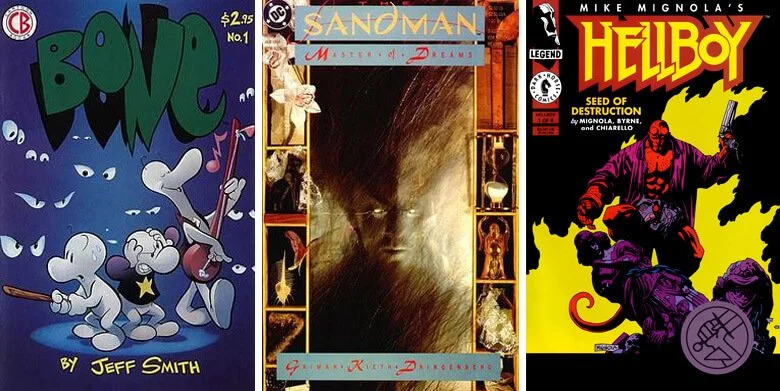
Image: Composite by Super Collectible. Cover art © Cartoon Books, DC/Vertigo, and Dark Horse Comics.
Indie Comics and Alternative Voices
While mainstream comics were going big and loud, the indie scene quietly thrived. Series like Bone, Sandman, and Hellboy proved that comics could be deep, artistic, and emotional. Publishers like Dark Horse, Vertigo, and Oni Press became creative powerhouses for readers who wanted something beyond capes and explosions.
The Legacy of the 90s
Despite its ups and downs, the ‘90s left an unforgettable mark on comic culture. It birthed new icons, pushed artistic boundaries, and expanded what comics could be. Many of today’s biggest comic creators, and Hollywood adaptations, trace their roots back to this wild decade.
The ‘90s weren’t perfect, but they were pure energy, a neon-tinted mix of creativity, chaos, and change. Whether you loved the gimmicks or rolled your eyes at them, there’s no denying it: the 1990s were one of the most exciting times to be a comic book fan.
The 1990s gave us heroes with bigger muscles, creators with bigger ideas, and a comic industry that learned, sometimes the hard way, how powerful fandom could be.