Why is Star Trek: The Next Generation So Good?
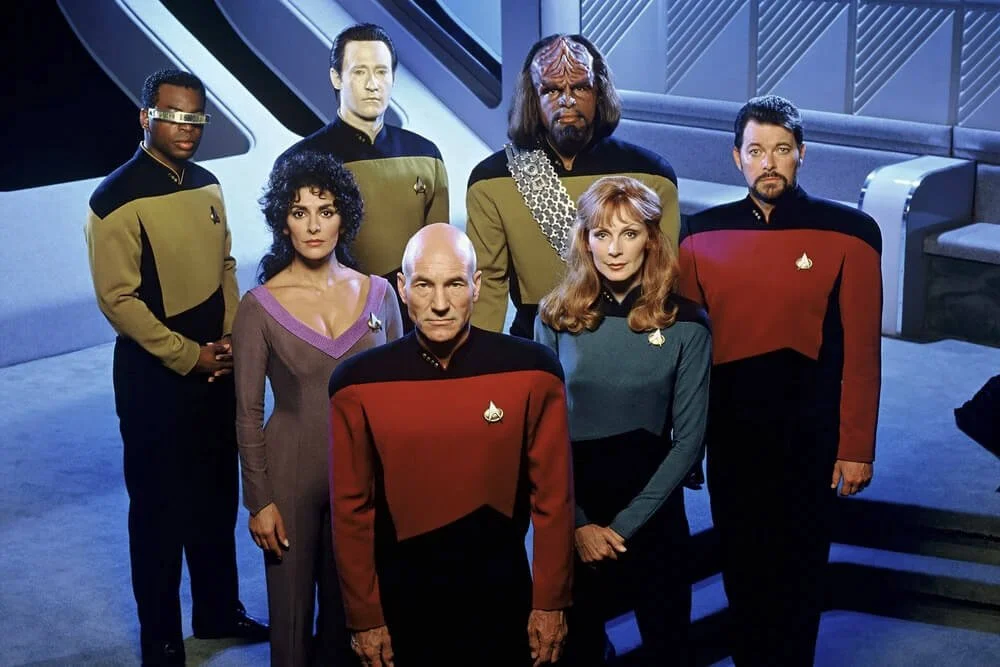
Image: © Paramount Pictures / CBS Studios – Star Trek: The Next Generation, Season 6 (1992–1993) cast photo.
When Star Trek: The Next Generation first aired in 1987, fans were skeptical. How could anyone step into the shoes of Captain Kirk, Spock, and the crew of the original Enterprise? Fast forward seven seasons, and TNG didn’t just live up to the legacy it became one of the most beloved science fiction shows of all time. But what makes TNG so good, even decades later? Let’s break it down.
A New Kind of Captain
Patrick Stewart’s Jean-Luc Picard couldn’t have been more different from William Shatner’s James T. Kirk. Where Kirk was brash, impulsive, and often shirtless, Picard was measured, diplomatic, and deeply thoughtful. His quiet strength gave the show a sense of maturity and gravitas, proving that Starfleet captains didn’t all need to be action heroes.
A Crew That Felt Like Family
From Data’s quest to understand humanity, to Worf’s struggle with Klingon honor, to Geordi’s inventive brilliance, every member of the Enterprise-D crew had depth. They weren’t just background characters; they each had episodes where they shined. By the end of the series, the crew felt less like coworkers on a starship and more like family we’d grown alongside.
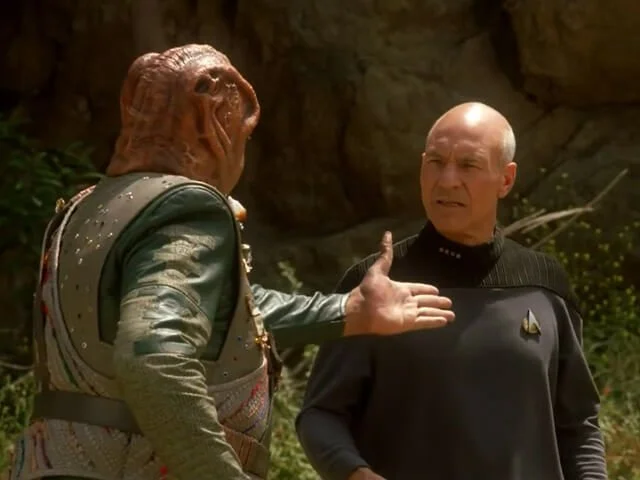
Image: © Paramount Pictures / CBS Studios – Star Trek: The Next Generation, Season 5 Episode 2 “Darmok” (1991)
Big Ideas and Moral Dilemmas
At its best, The Next Generation used science fiction as a lens to explore the human condition. Each episode wasn’t just about warp drives and phasers, it was about ideas. The show tackled big questions: What defines consciousness? How do we balance progress with ethics? Can peace truly exist among such different cultures? What are the limits of technology?
The Measure of a Man (where Data’s rights as a sentient being are questioned) is a perfect example. When Starfleet questions whether Data is property or a sentient being with rights, the episode becomes a courtroom drama that challenges how we define life itself. It’s gripping, emotional, and philosophical all at once. Then there’s Darmok (a story of language and understanding), where Picard must learn to communicate with an alien captain who speaks only in metaphors. It is a brilliant meditation on empathy, understanding, and the barriers that language creates.
TNG didn’t lecture its audience; it invited us to think. One week we’d be debating artificial intelligence, the next we’d be wrestling with the Prime Directive or the ethics of genetic engineering. These stories worked because they trusted viewers to handle complex ideas without dumbing them down.
In the end, the show’s greatest achievement was how it blended heart and intellect.
The Villains and Challenges
Every great hero needs great adversaries, and TNG delivered. The Borg introduced one of the most terrifying threats in science fiction, an unstoppable hive mind with chilling efficiency. Q, meanwhile, was the ultimate trickster god, testing humanity at every turn with equal parts menace and charm. These villains weren’t just obstacles; they pushed the crew to grow.
A Vision of the Future Worth Hoping For
Unlike many modern sci-fi series that lean into dystopia, The Next Generation offered something rare: optimism. The future it presented was one where poverty, racism, and inequality had been left behind, where humanity had united to explore the stars together. Watching TNG feels like peeking into a hopeful tomorrow and that message resonates just as strongly today.
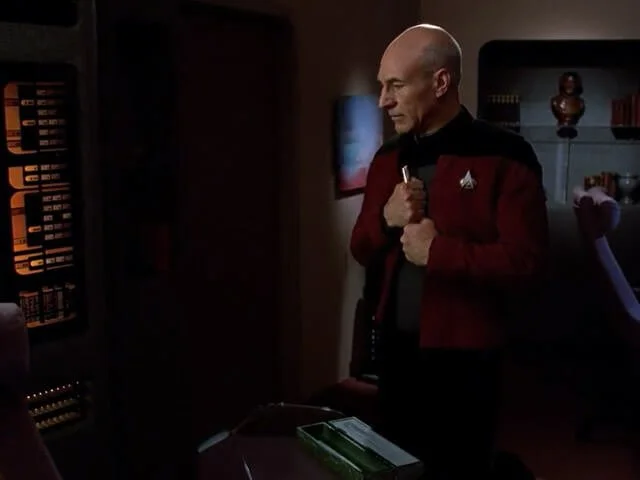
Image: © Paramount Pictures / CBS Studios – Star Trek: The Next Generation, Season 5 Episode 25 “The Inner Light” (1992)
Timeless Storytelling
Yes, the late ’80s special effects may look dated now, and yes, some of the first-season episodes are rough around the edges. But the heart of TNG lies in its characters and ideas, which remain timeless. Whether it’s Picard giving a stirring speech, Data discovering something new about humanity, or Worf growling his way through Klingon politics, the show’s essence holds up beautifully.
One of the best examples of that timeless quality comes in Season 5, Episode 25: “The Inner Light.” In it, Captain Picard is struck unconscious by an alien probe and lives an entire lifetime as another man on a long-dead planet. When he wakes, only minutes have passed aboard the Enterprise but decades have passed in his mind. The episode is quiet, emotional, and deeply human, showing the power of empathy, memory, and connection. It’s a masterclass in storytelling and science fiction used not for spectacle, but to explore the soul.
Okay but Why is it so good?
Because it’s not just science fiction, it's human fiction. It challenges us to think, inspires us to dream, and invites us to imagine a future where we can be our best selves. Decades later, the adventures of the Enterprise-D still inspire fans old and new.
Engage.