A Brief History of the Super Mario Brothers
When you think of video games, one name always jumps to the top: Super Mario. But Mario didn’t start off as a "super" brother, and he wasn’t even originally named Mario. The story of the Super Mario Brothers is one of humble beginnings, wild success, and enduring legacy.
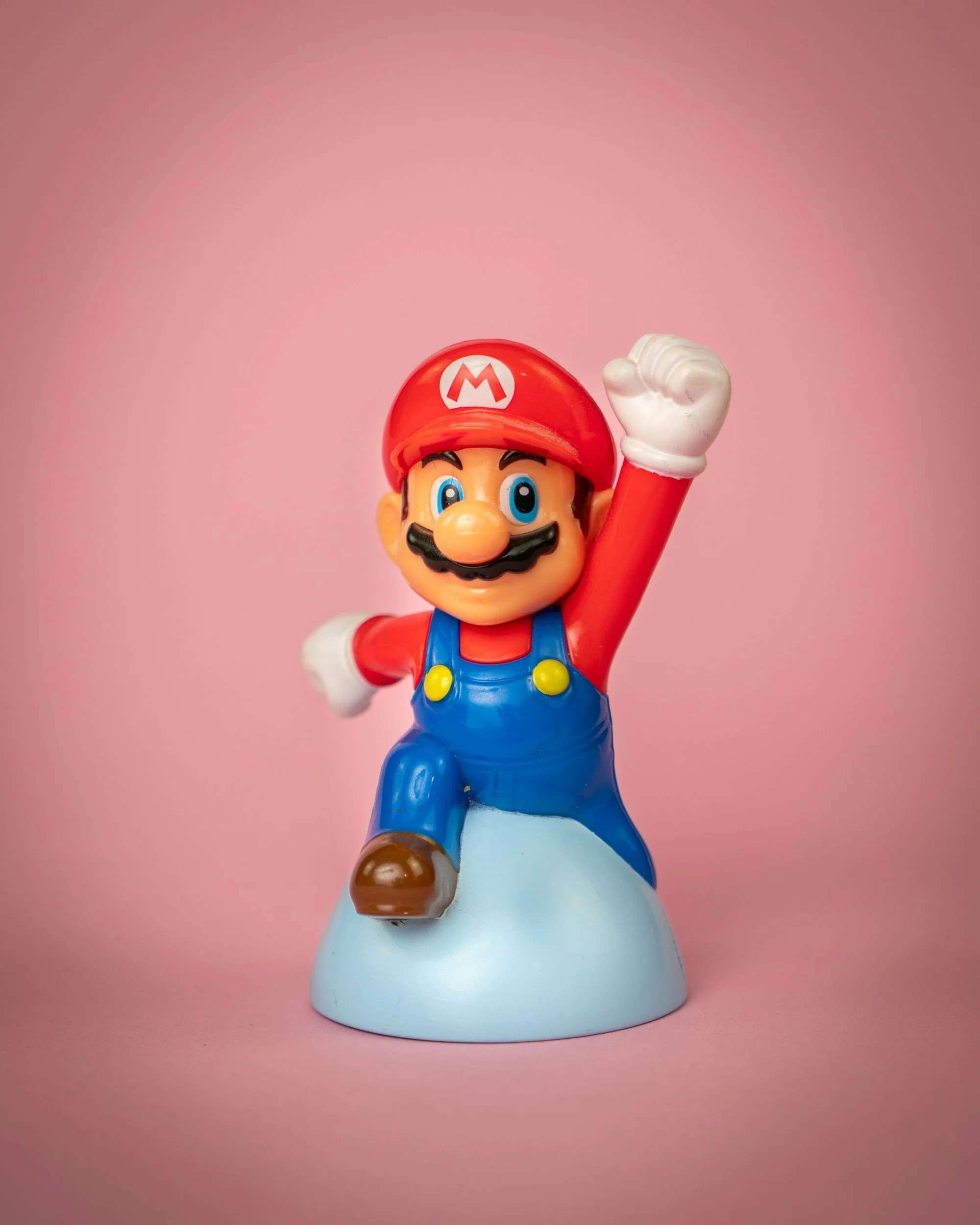
Image Credit: Photo by Mika Baumeister
The Jumpman Cometh: Mario’s Early Days
Mario’s first appearance wasn’t even in a game titled after him. It was in the 1981 arcade classic Donkey Kong, where he was known as “Jumpman.” Designed by Nintendo's rising star Shigeru Miyamoto, Jumpman was a carpenter tasked with saving a damsel in distress from a rampaging gorilla.
He wasn’t yet a plumber. He wasn’t Italian. But he was already jumping barrels and stealing hearts.
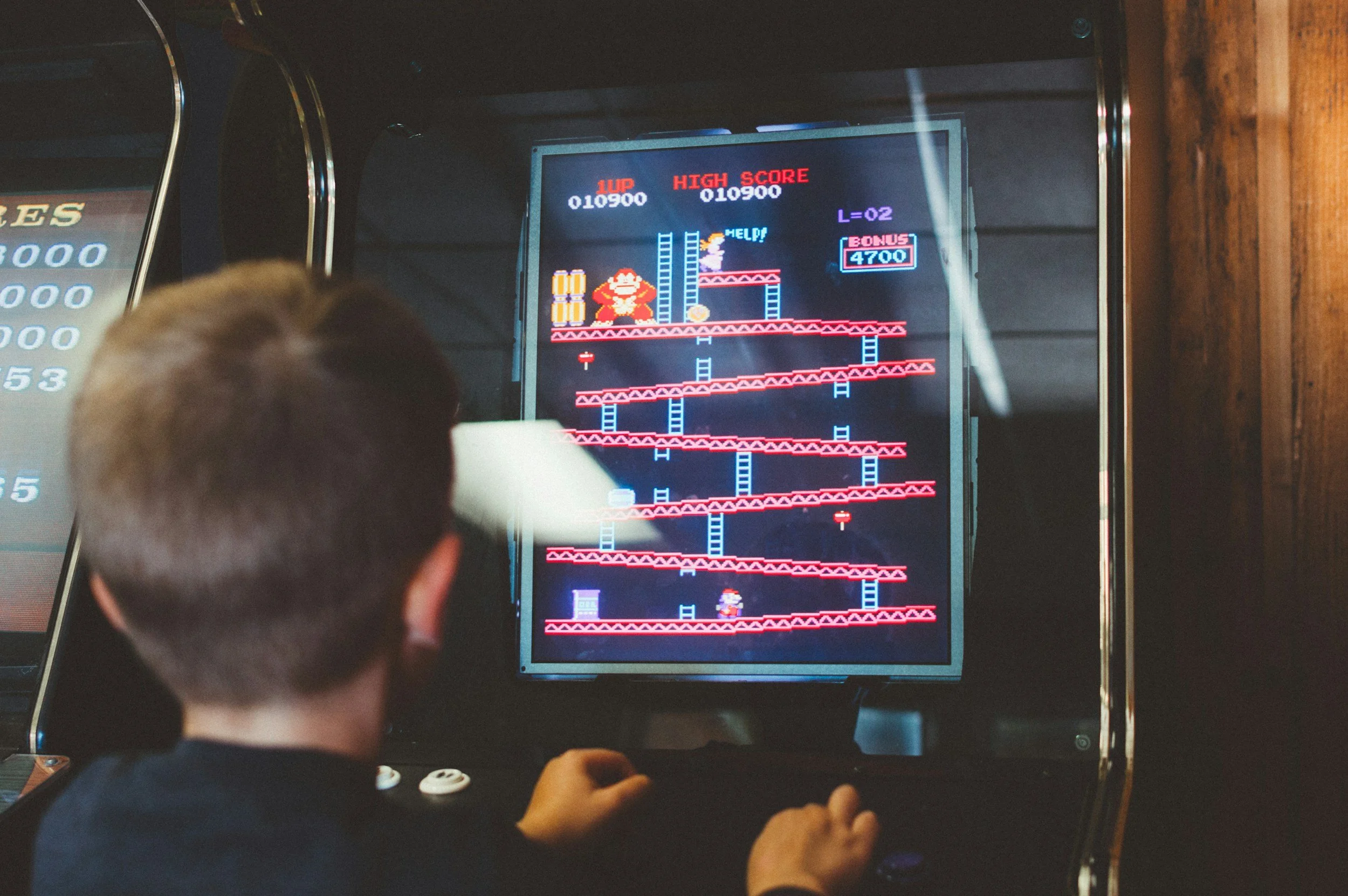
Image Credit: Photo by Kelly Sikkema
The Birth of Mario (and Luigi)
Nintendo officially named Jumpman “Mario” after the mustachioed landlord of their warehouse in Seattle, Mario Segale. Around this time, the developers decided Mario needed a brother, and in 1983, Luigi was introduced in the arcade game Mario Bros.
This was the first time players got to experience the dynamic duo. Set in New York’s sewers, the Mario brothers battled strange creatures like Shellcreepers and Sidesteppers. It was also when Mario became canonically known as a plumber, a fitting profession for his subterranean escapades.
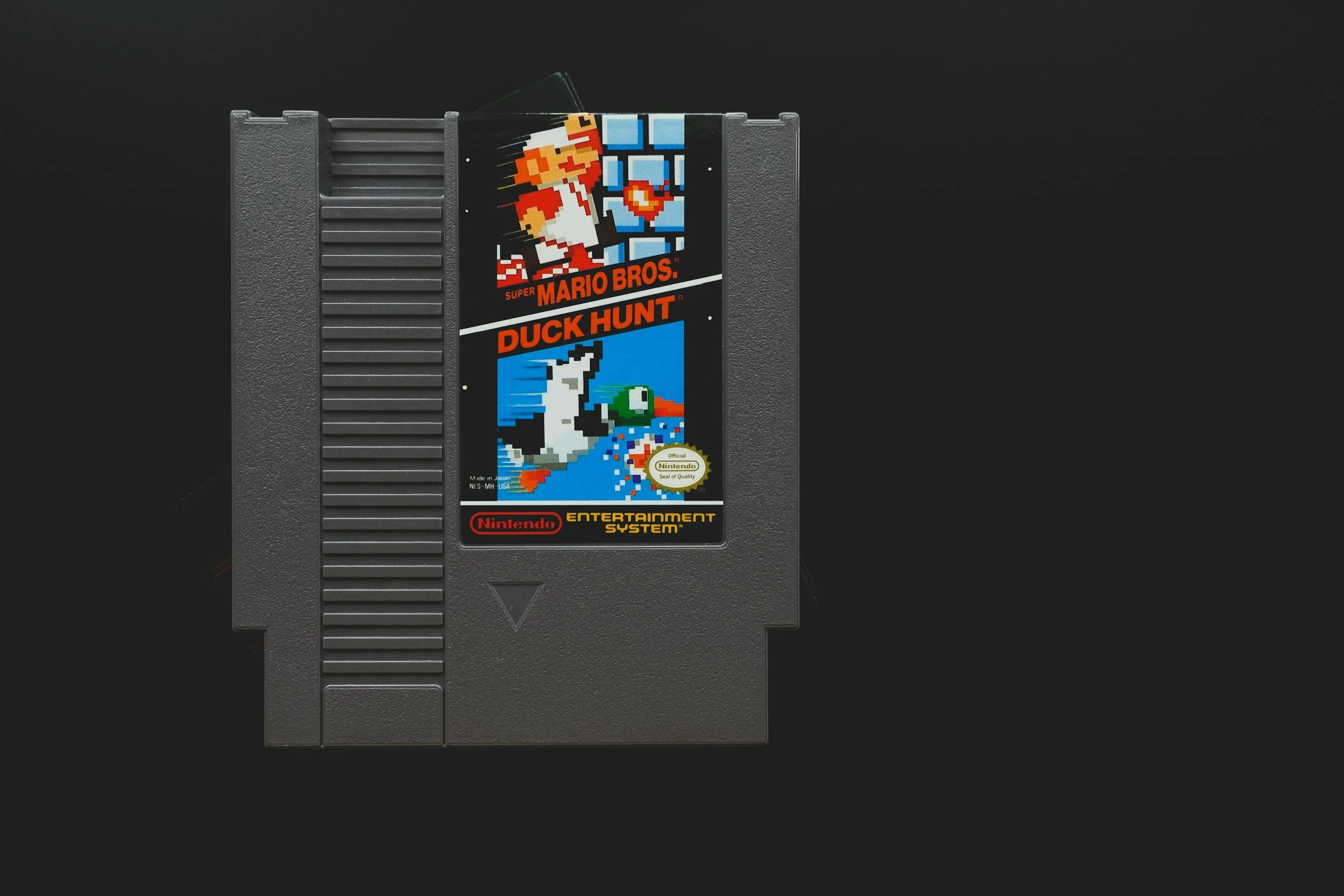
Image Credit: Photo by Ravi Palwe
The 8-Bit Revolution: Super Mario Bros. (1985)
Everything changed in 1985 when Super Mario Bros. launched on the Nintendo Entertainment System (NES). This game wasn't just a smash hit, it was a cultural phenomenon that helped revitalize the video game industry after the 1983 crash. Players guided Mario (and Luigi in two-player mode) through the colorful and dangerous Mushroom Kingdom, stomping Goombas, dodging Piranha Plants, and trying to rescue Princess Toadstool (later known as Peach) from the evil Bowser.
Many households were introduced to the game through the iconic Super Mario Bros. / Duck Hunt combo cartridge, which was bundled with the NES. This version often came packaged with the Zapper light gun, allowing players to switch from platforming action to shooting ducks on the fly literally. That pairing made the NES a must-have and helped Mario become a household name practically overnight.
With tight controls, imaginative worlds, catchy music, and vibrant pixel art, Super Mario Bros. set the gold standard for platformers. It sold over 40 million copies, becoming one of the best-selling and most influential video games of all time.
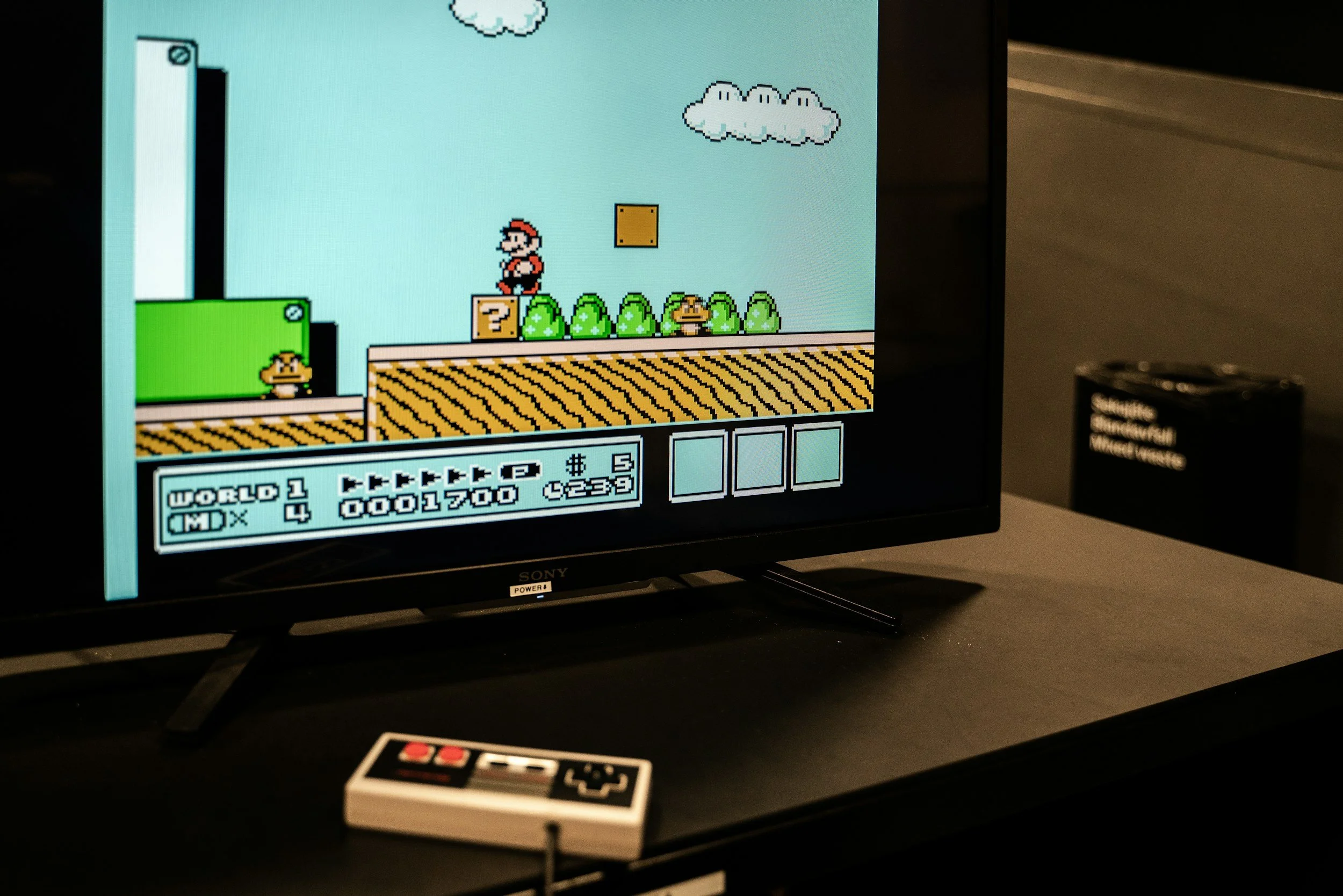
Image Credit: Photo by Zack Yeo
Sequels, Spin-Offs, and Global Stardom
Following the success of the original game, Nintendo rolled out sequels on the NES:
Super Mario Bros.: The Lost Levels (1986 in Japan) – a brutally hard direct sequel.
Super Mario Bros. 2 (1988 in the U.S.) – originally a different game (Doki Doki Panic) re-skinned with Mario characters.
Super Mario Bros. 3 (1988 in Japan, 1990 in North America) – a groundbreaking title featuring an overworld map, power-ups like the Tanooki Suit, and some of the best level design in the 8-bit era
The Evolution of Mario Through the Console Generations
The Mario franchise didn’t just stick to one formula, it reinvented itself with nearly every console generation.
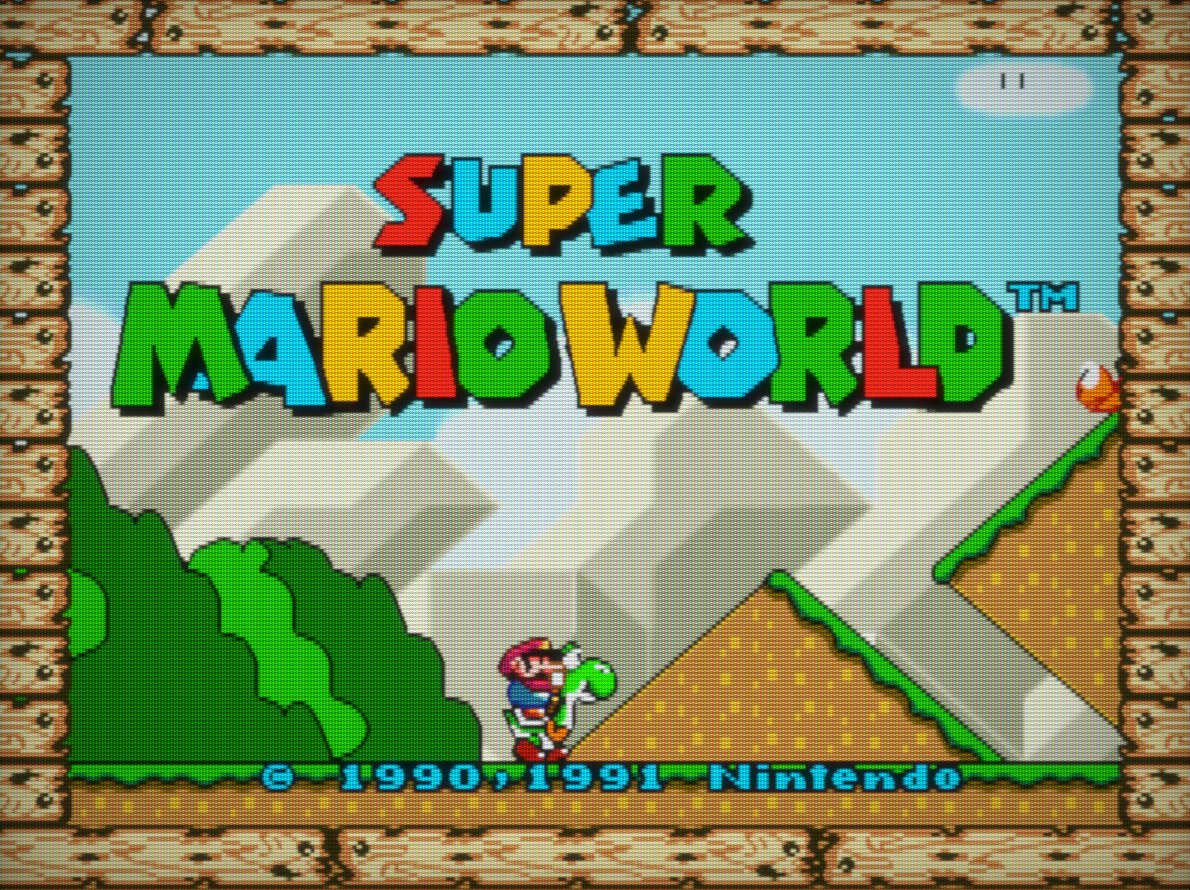
Super Mario World (1990, SNES)
Released as a launch title for the Super Nintendo, Super Mario World expanded everything fans loved about the original trilogy on NES. It introduced sprawling maps, branching paths, hidden exits, and one of the most beloved sidekicks in video game history: Yoshi. The game was a technical marvel at the time, showcasing colorful graphics, smooth animation, and an unforgettable soundtrack.
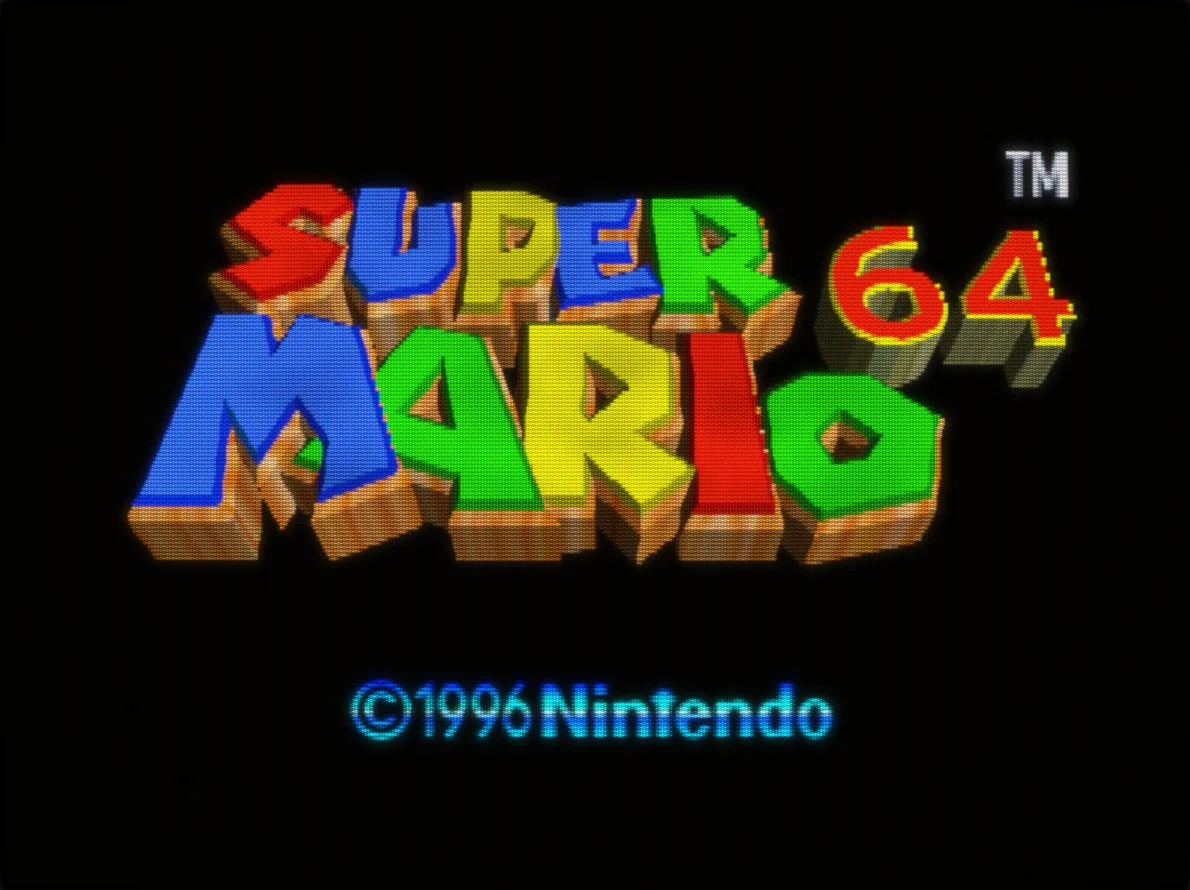
Super Mario 64 (1996, Nintendo 64)
Super Mario 64 didn’t just bring Mario into 3D, it redefined what 3D games could be. With its open-world level design, analog stick controls, and dynamic camera system, this game became the gold standard for 3D platformers. Players could triple jump, wall kick, and dive through paintings into immersive new worlds, all while collecting Power Stars to unlock more of Peach’s Castle. It was revolutionary, and it made the N64 a must-have system.
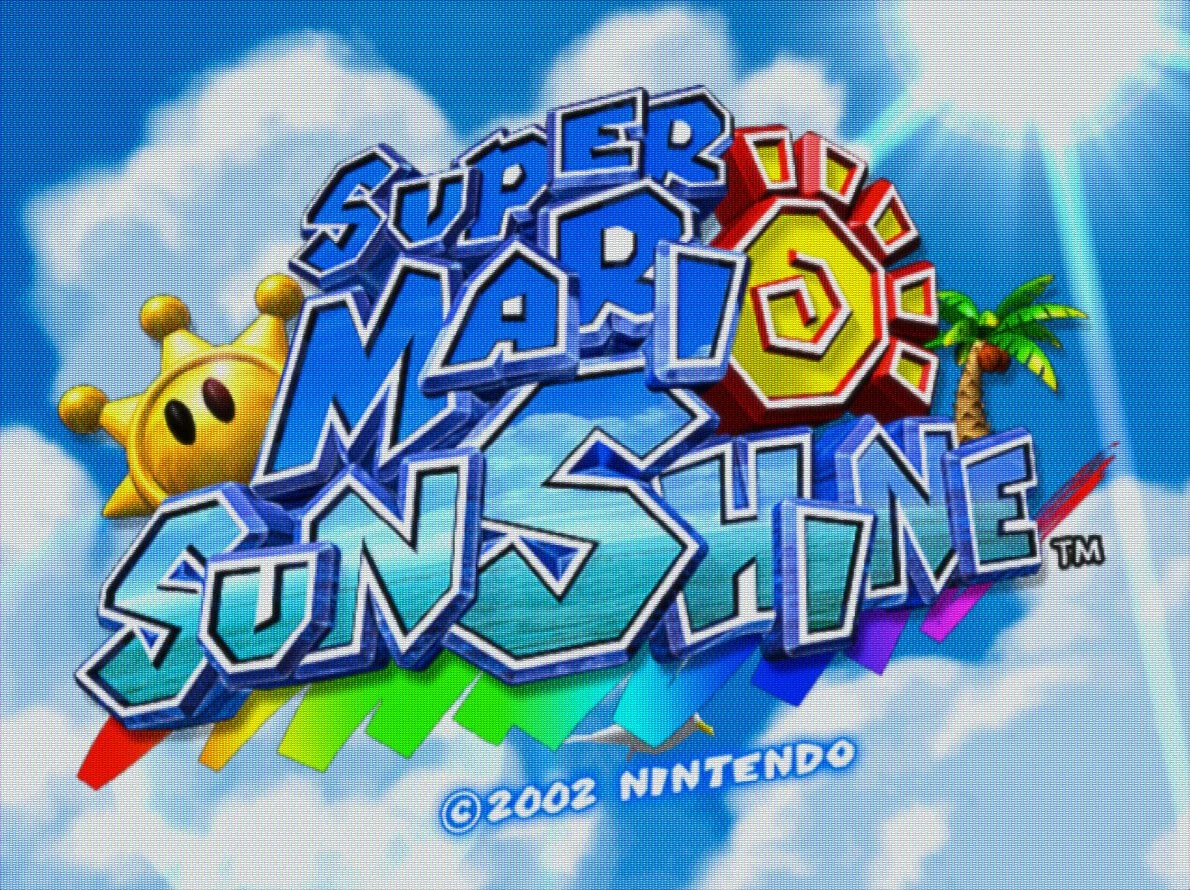
Super Mario Sunshine (2002, GameCube)
A cult favorite among fans, Super Mario Sunshine gave Mario a tropical makeover and a new gadget: F.L.U.D.D. (Flash Liquidizer Ultra Dousing Device). Set on the sun-drenched Isle Delfino, the game mixed tight platforming with a new water-based mechanic that let players clean up pollution, hover through the air, and tackle platforming challenges in creative new ways. Its unique setting, quirky characters, and vibrant visuals set it apart from any other Mario title.
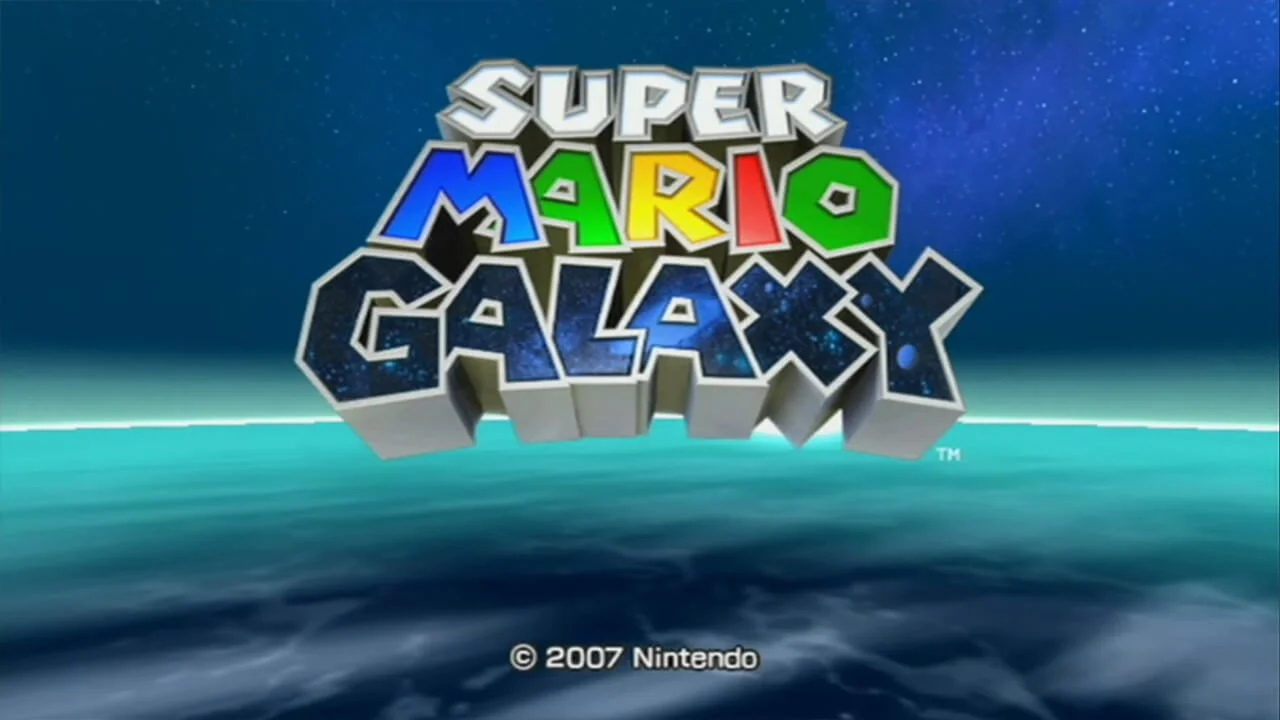
Super Mario Galaxy (2007, Wii)
With Super Mario Galaxy, Nintendo took Mario into space and into gaming history. Gravity-defying planets, mind-bending level design, and an epic orchestral score made this one of the most imaginative entries in the series. The Wii’s motion controls were put to smart use without feeling gimmicky, and the cosmic setting gave players an entirely new way to experience Mario’s world. Critics and fans alike hailed it as one of the greatest games ever made.
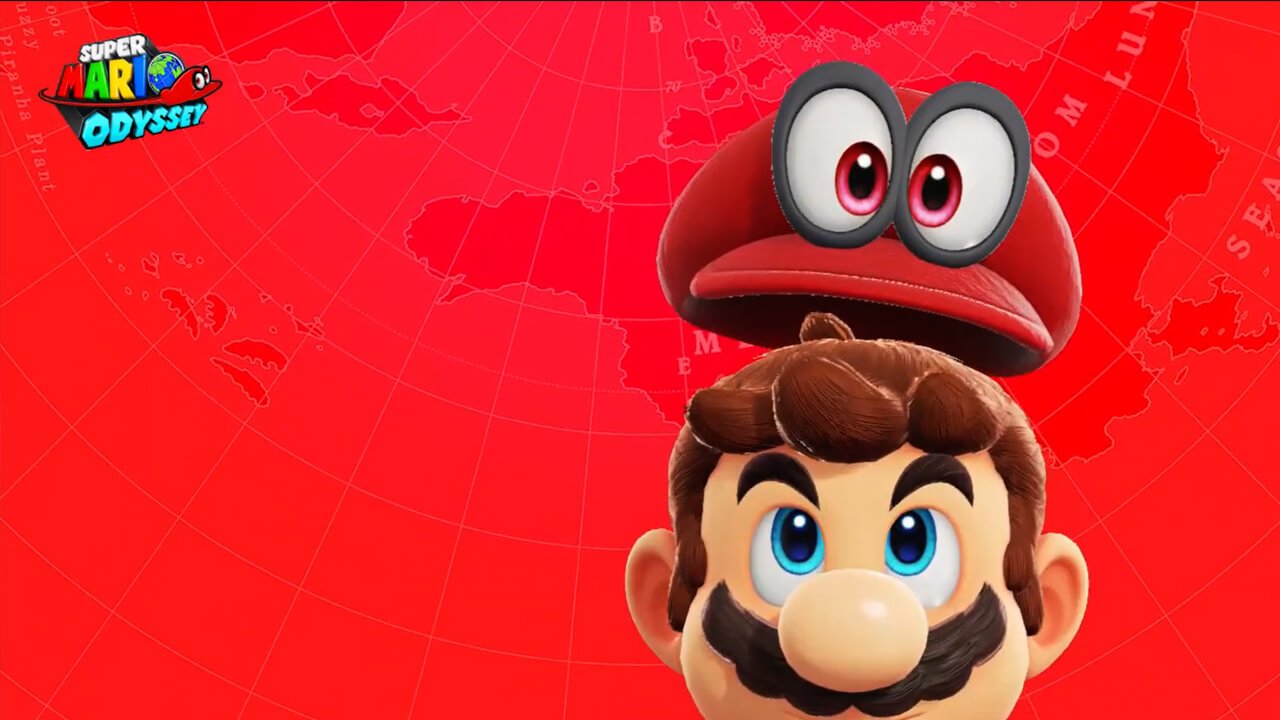
Super Mario Odyssey (2017, Nintendo Switch)
Super Mario Odyssey brought Mario back to the open-ended exploration of Mario 64 but turned it up to eleven. This time, Mario teams up with Cappy, a living hat that lets him possess enemies and objects in the environment. From the realistic streets of New Donk City to the haunting Luncheon Kingdom, every world was packed with secrets and creativity. With no traditional lives or timers, players were encouraged to experiment and explore. It was a fresh, modern Mario that paid tribute to everything that came before.
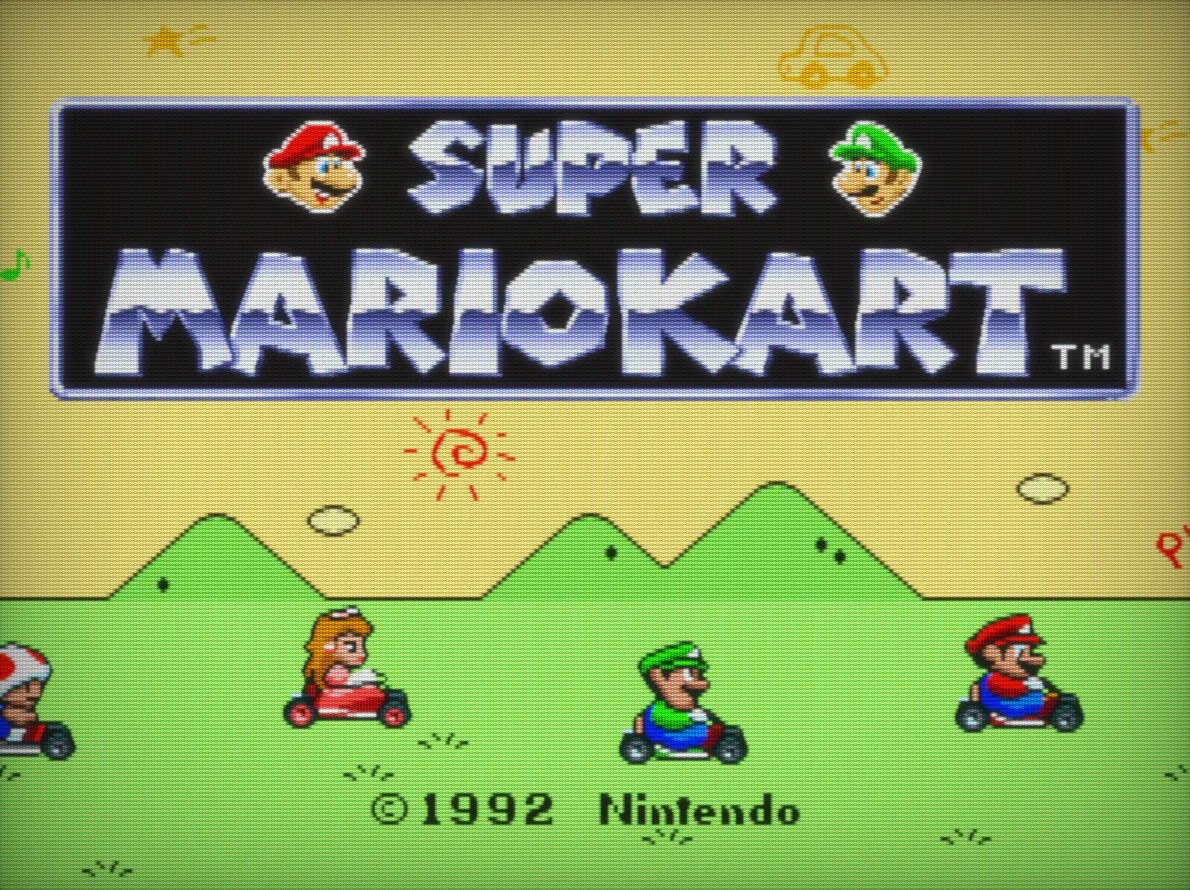
A Quick Lap for Mario Kart
We’d be remiss not to mention Mario Kart, even if it deserves an article all its own (don’t worry, that’s coming). The series began with Super Mario Kart on the SNES in 1992 and quickly became a fan favorite for its fun mix of racing, chaos, and charm. From banana peels to blue shells, it turned friendly competition into full-blown rivalry and we loved every second of it.
Each entry, from Mario Kart 64 to Double Dash!!, Mario Kart Wii, and Mario Kart 8 Deluxe, added new tracks, characters, and mechanics that kept players coming back for “just one more race.” It’s more than just a spin-off, it’s one of the best and most enduring multiplayer experiences in gaming history.
Mario on the Big Screen
Mario’s adventures haven’t been limited to consoles and handhelds, he’s also made two big leaps to the silver screen, each one unforgettable in its own way.
The 1993 Live-Action Movie: A Cult Curiosity
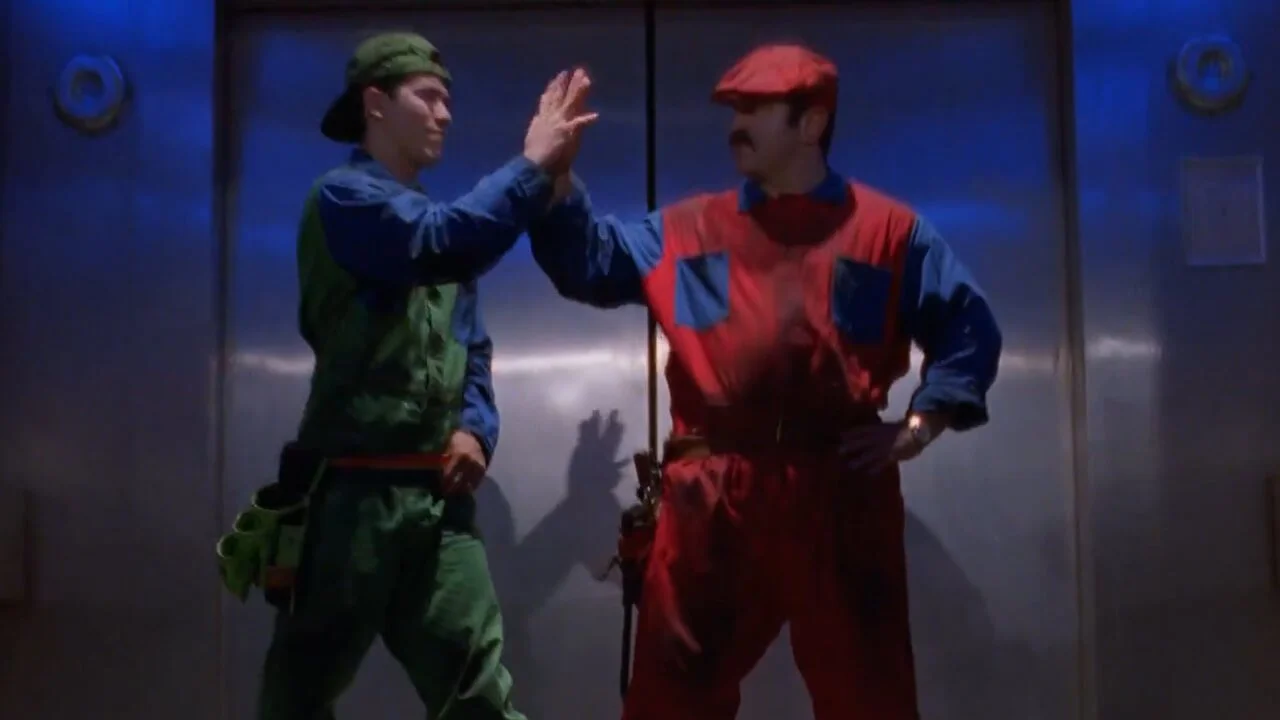
Image: © Hollywood Pictures / Allied Filmmakers / Nintendo – Super Mario Bros. (1993)
Long before video game movies were a thing, Super Mario Bros. (1993) hit theaters with a wild, offbeat interpretation of the franchise. Starring Bob Hoskins as Mario, John Leguizamo as Luigi, and Dennis Hopper as a bizarre, business-suit-wearing version of Bowser, the film took major creative liberties.
Instead of the bright Mushroom Kingdom, we got a dystopian cyberpunk city. Instead of cheerful power-ups, we got de-evolution guns. Critics and audiences were confused, and the film flopped at the box office. But over time, it gained a cult following thanks to its strange charm and ambitious world-building. It may not have captured the feel of the games, but it's an important part of Mario history for better or worse.
The 2023 Animated Movie: A Box Office Smash
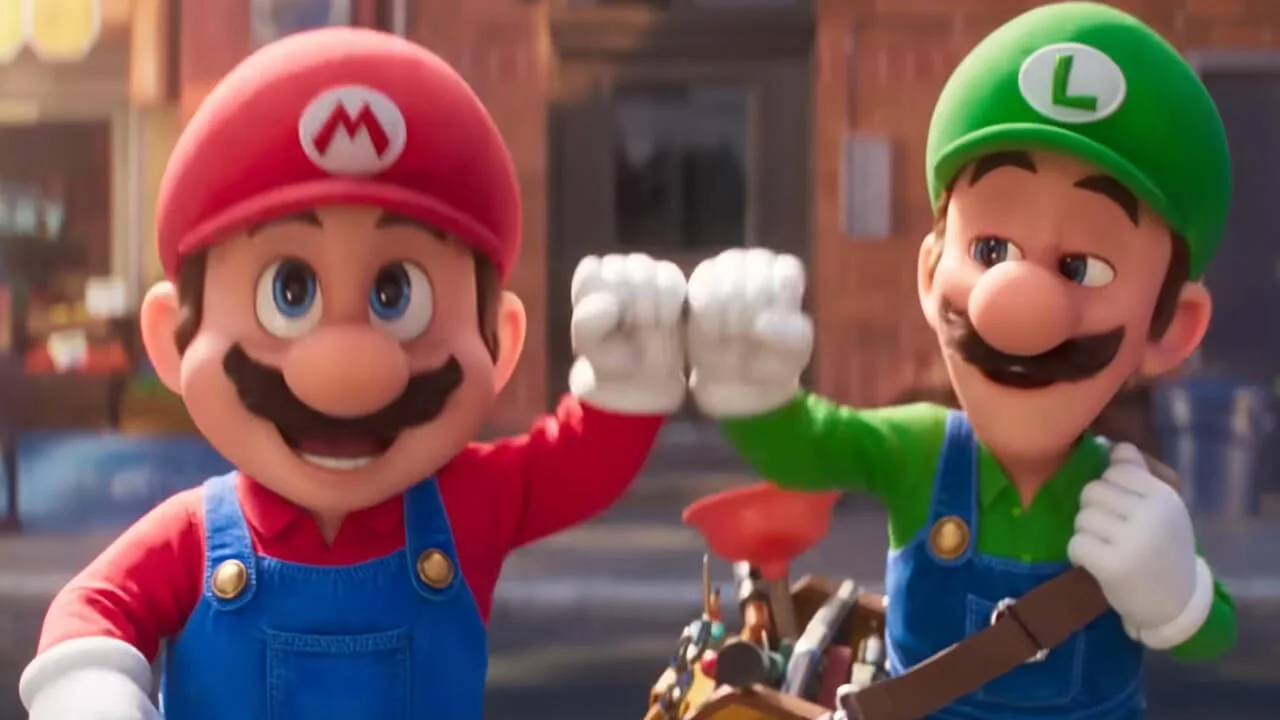
Image: © Universal Pictures / Illumination / Nintendo – The Super Mario Bros. Movie (2023)
Three decades later, Nintendo teamed up with Illumination (the studio behind Despicable Me) to do it right and they delivered. The Super Mario Bros. Movie (2023) was everything fans hoped for: colorful, fun, fast-paced, and jam-packed with references to the games.
Chris Pratt voiced Mario, with Charlie Day as Luigi, Anya Taylor-Joy as Princess Peach, Jack Black stealing the show as Bowser, and Keegan-Michael Key as Toad. The film was a love letter to fans of all ages, mixing nostalgia with modern animation and humor. It became one of the highest-grossing animated films of all time, proving that Mario’s appeal spans generations and media formats.
Beyond Video Games
The Super Mario Brothers have appeared in:
Cartoons like The Super Mario Bros. Super Show! (complete with catchy intro rap).
Merchandise, toys, comics, clothing, breakfast cereals and more.
Today, Mario and Luigi are cultural icons. Super Mario has inspired generations of gamers, developers, and creators. Nintendo has kept the series fresh while respecting its roots, making it a multigenerational staple in homes across the world.
Their legacy reminds us of simpler times, big dreams, and the joy of saving the princess one pixel at a time.