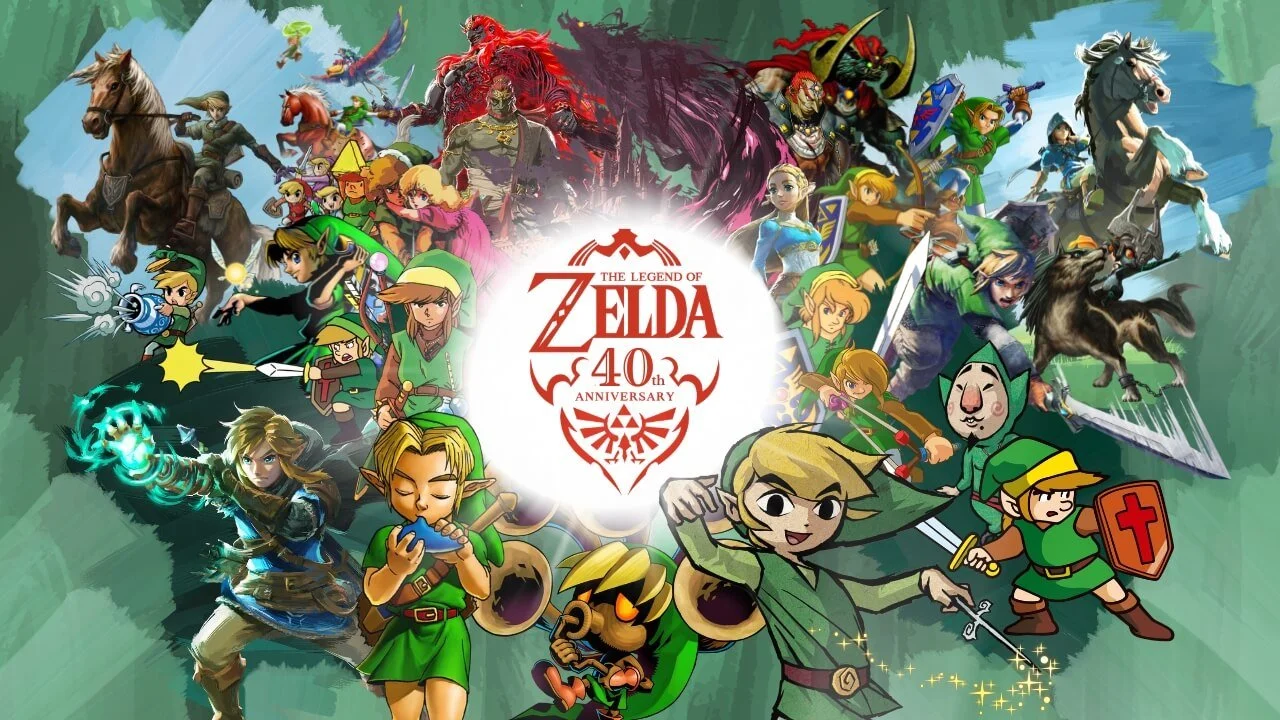
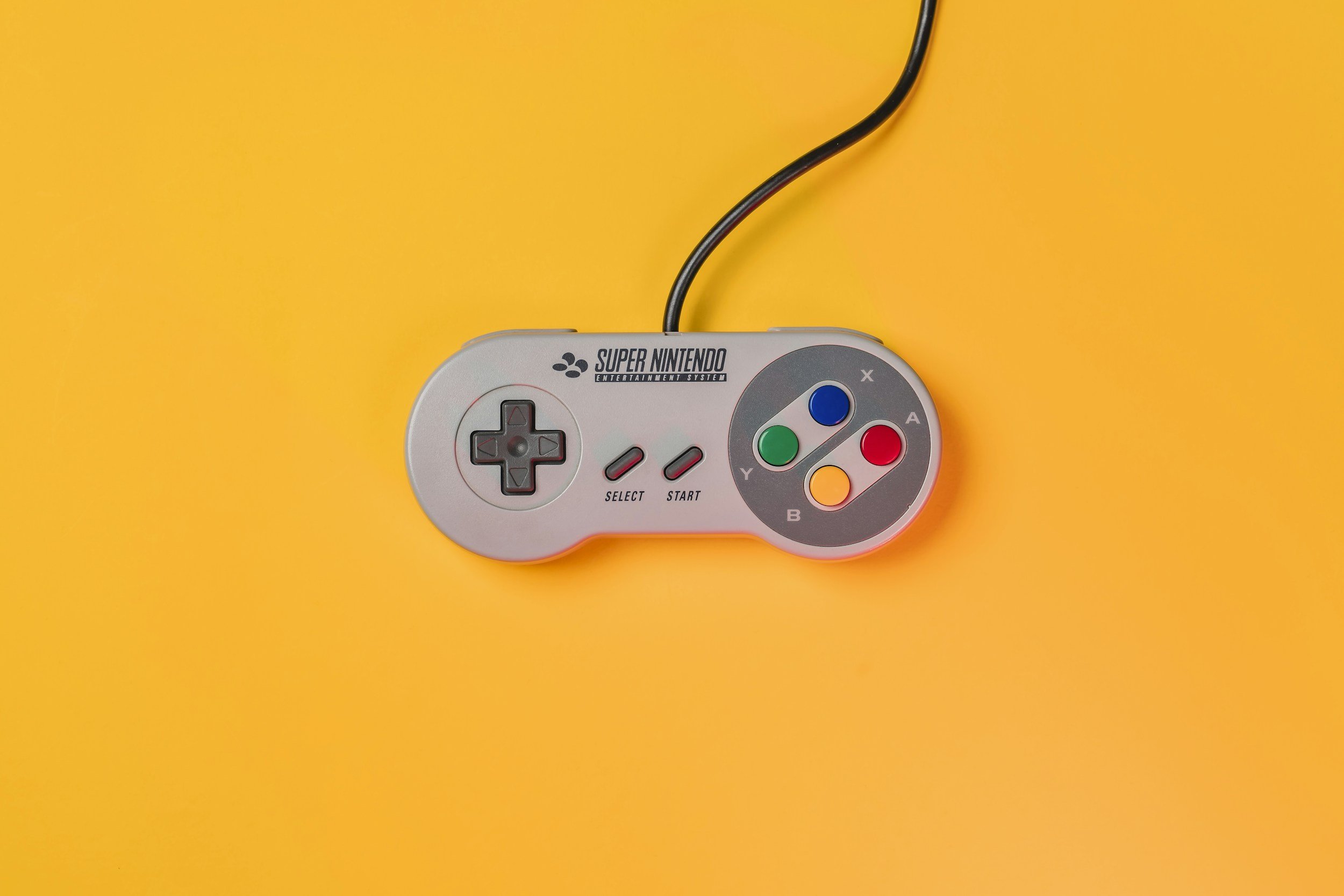
The Legend of Zelda 40th Anniversary
A Legacy of Adventure That Changed Gaming Forever
Image: Composite by Super Collectible. Images © Nintendo.
In 1986, Nintendo released a game in Japan that would quietly reshape the video game industry. That game was The Legend of Zelda, created by Shigeru Miyamoto and Takashi Tezuka for the Famicom Disk System. Few could have predicted that this gold cartridge adventure would grow into one of the most important and beloved franchises in gaming history.
Now, 40 years later, The Legend of Zelda stands as a symbol of creativity, exploration, and timeless design. From its humble 8-bit beginnings to the massive open world of Breath of the Wild and Tears of the Kingdom, Zelda has never stopped evolving. As we celebrate four decades of Hyrule, it’s worth looking back at how this series became a legend.

Image: © Nintendo – The Legend of Zelda (1986)
A Bold Beginning in 1986
When the original The Legend of Zelda launched in 1986 (and in North America in 1987), it did something radical for its time: it didn’t tell players exactly what to do.
There were no glowing arrows. No detailed tutorials. You simply started in a field with a sword waiting in a cave. The message was simple: “It’s dangerous to go alone! Take this.”
And that was it.
Players were free to explore Hyrule in any direction. Secrets were hidden everywhere. Bomb random walls? Burn random bushes? Sometimes, yes, that’s exactly how you found new areas. It encouraged curiosity, experimentation, and note-taking. Drawing maps by hand and sharing tips with friends at the lunch table is a core memory for many that grew up with the game.
The gold cartridge itself felt special. It shimmered among the other NES cartridges. It looked important. And it was. The game introduced battery-backed save files to consoles, allowing players to continue their adventure instead of relying on passwords. That alone was groundbreaking.
Building a Mythology
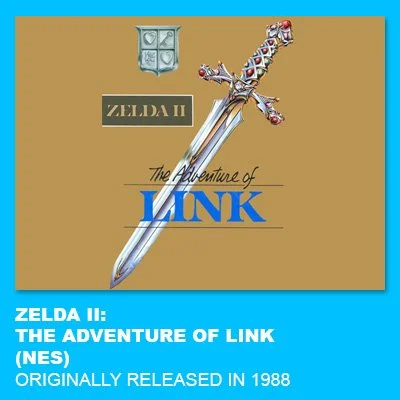
The sequel, Zelda II: The Adventure of Link (1987), took risks with side-scrolling combat and RPG elements. While divisive, it proved Nintendo wasn’t afraid to experiment.
But in 1991, everything clicked into place.
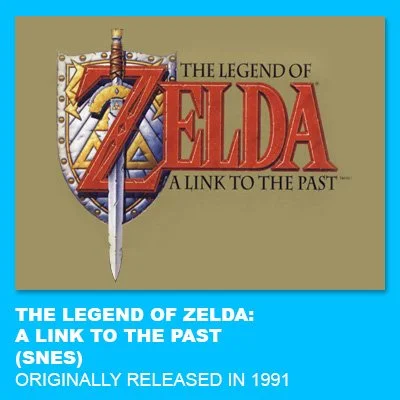
The Legend of Zelda: A Link to the Past on Super Nintendo refined the formula and created what many still consider the “classic” Zelda structure. It introduced the Light World and Dark World, deepened the lore of the Triforce, and delivered memorable dungeons with unique items like the Hookshot and Master Sword.
It also strengthened the emotional tone of the series. The music, composed by Koji Kondo, became iconic. The sense of scale and adventure grew larger. Zelda was no longer just about gameplay, it was about atmosphere and storytelling.
From that point on, each new Zelda release felt like an event.
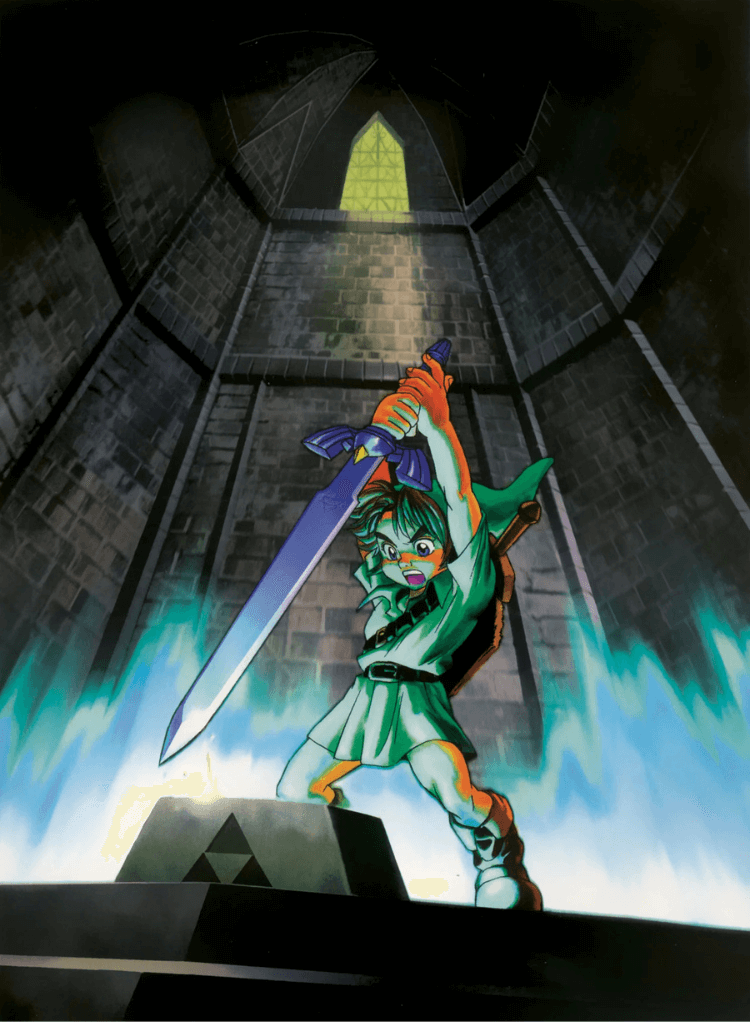
Image: © Nintendo – The Legend of Zelda: Ocarina of Time (1998)
Ocarina of Time and the 3D Revolution
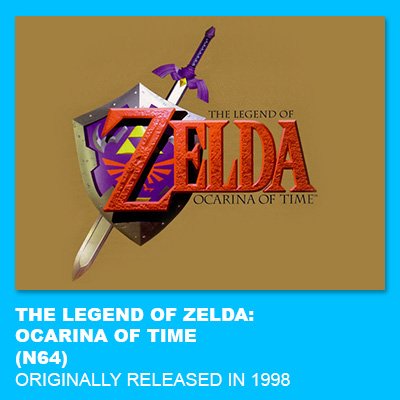
In 1998, Nintendo once again changed gaming forever with The Legend of Zelda: Ocarina of Time on the Nintendo 64.
Moving Zelda into 3D was no small task. Many franchises struggled with the transition. But Ocarina didn’t just succeed, it set the standard.
The Z-targeting system solved 3D combat in a way that felt natural and intuitive. The world of Hyrule Field felt alive and expansive. Time travel added emotional weight to the story. And for many players, riding across Hyrule at sunset for the first time is a core gaming memory.
Ocarina of Time is often listed among the greatest video games ever made. It influenced countless action-adventure titles that followed. Even today, you can see its DNA in modern game design.
And just when fans thought Nintendo had reached its peak, the company followed it up with something completely different.
Risk-Taking and Reinvention
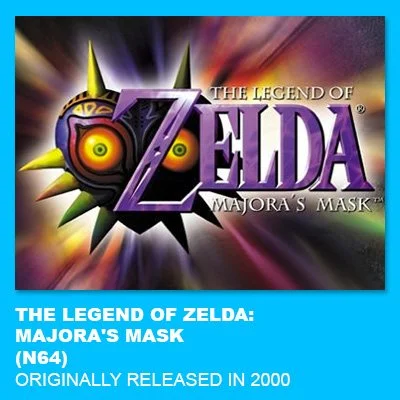
In 2000, Majora’s Mask arrived with a darker tone and a three-day time loop mechanic. It was strange, emotional, and deeply personal. Some players found it unsettling and frustrating. Others saw it as a masterpiece. Either way, it proved Zelda could tell mature and experimental stories.
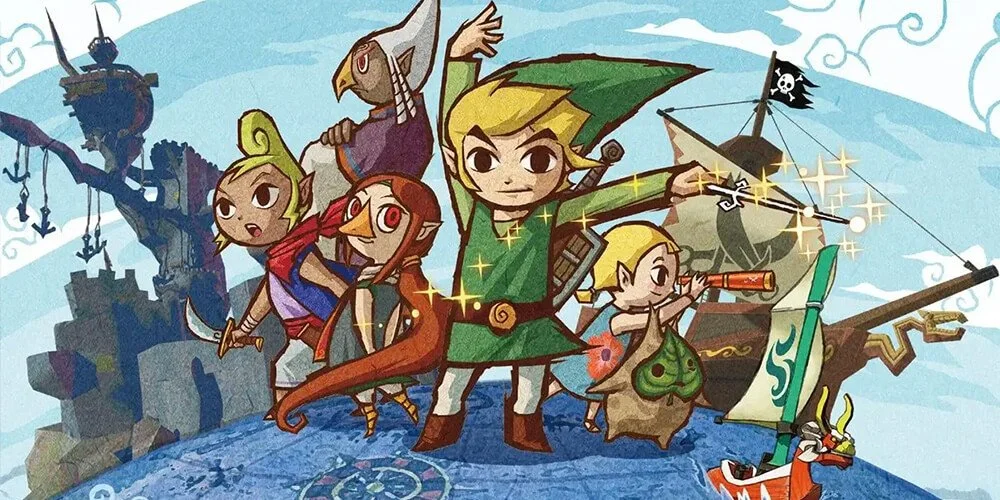
Image: © Nintendo – The Legend of Zelda: The Wind Waker (2002)
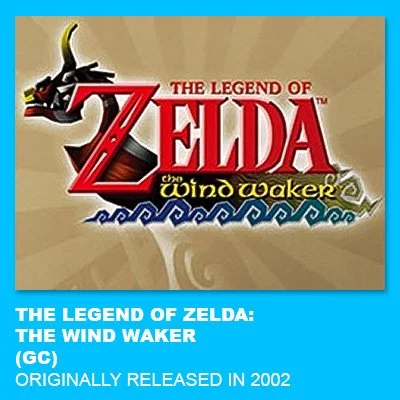
Then came 2002’s The Wind Waker. Its bold cel-shaded art style shocked fans who expected a realistic sequel to Ocarina. But over time, Wind Waker became one of the most beloved entries in the series. Its expressive animation and vast ocean exploration showed that Zelda could thrive by taking creative risks.
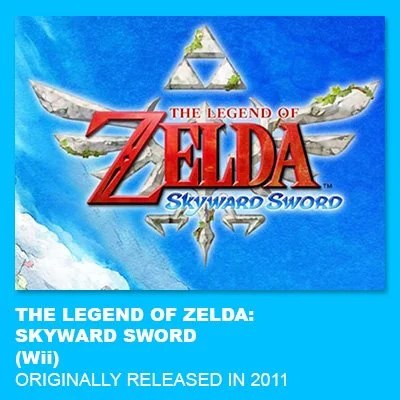
Later entries like Twilight Princess (2006) leaned darker again, while Skyward Sword (2011) experimented with motion controls and explored the origins of the Master Sword.
Through every generation, the Zelda series refused to stay the same.
Breath of the Wild: A Second Revolution
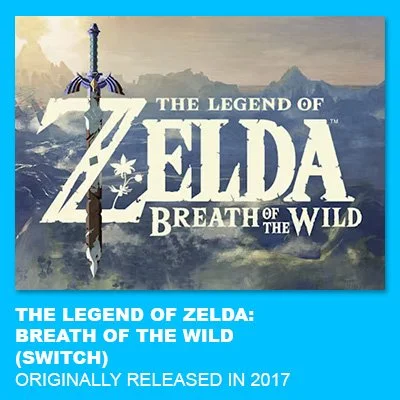
In 2017, alongside the launch of the Nintendo Switch, Nintendo released The Legend of Zelda: Breath of the Wild. It felt like the first time all over again.
The game stripped away many traditional Zelda conventions. Dungeons were replaced with Divine Beasts. Weapons could break. Players could climb almost anything as long as they had the stamina and from the very beginning, you could go straight to the final boss… if you were brave enough. Nintendo really let players have the freedom to tackle the games challenges as they saw fit, in any order they chose.
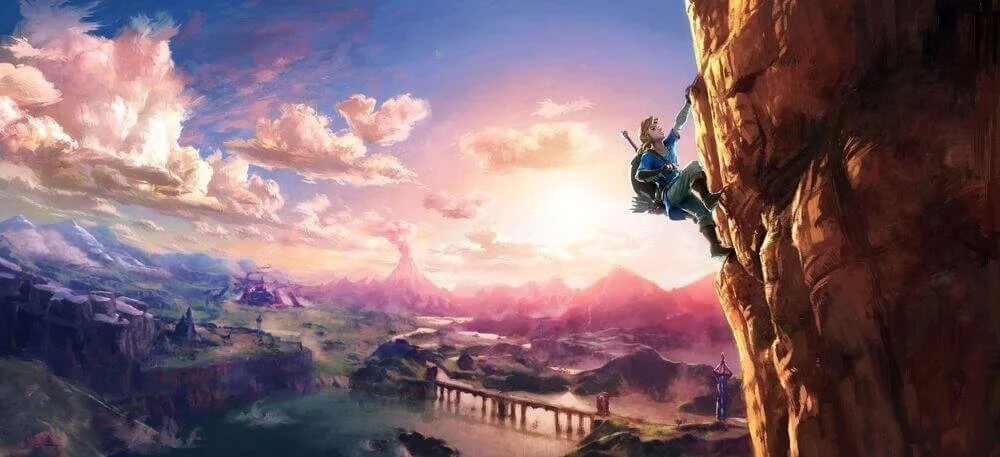
Image: © Nintendo – The Legend of Zelda: Breath of the Wild (2017)
Breath of the Wild captured that original sense of mystery and freedom. It trusted players to create their own adventure. The physics system allowed for creative problem-solving in ways that felt almost endless.
This wasn’t your average Zelda game, this was something much more. It was a landmark for open-world design across the industry and the deepest, most immersive Zelda game to date. Every nook and cranny of the world was filled with detail and life. Adventuring in Breath of the Wild feels like you’re exploring a living breathing Miyazaki/Studio Ghibli film like Princess Mononoke or Spirited Away. Truly one of the most magical experiences in gaming.
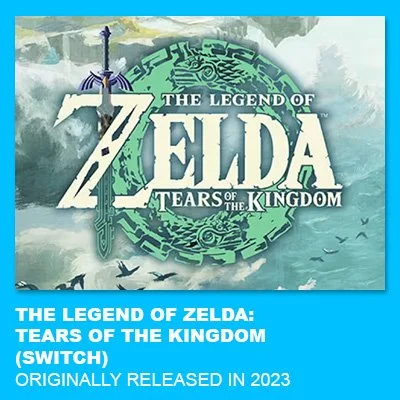
Then, in 2023, Tears of the Kingdom expanded that world even further, adding sky islands, underground depths, and groundbreaking building mechanics. Once again, Nintendo proved that after nearly four decades, Zelda could still surprise us.
The Characters That Became Icons
Over 40 years, the characters of The Legend of Zelda series have become cultural icons.
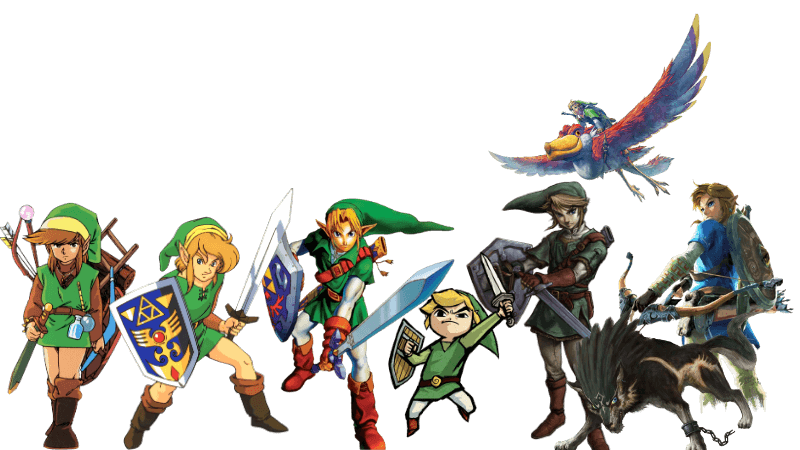
Image: Composite by Super Collectible. Images © Nintendo.
Link
Link, the silent hero in green (and sometimes blue), represents courage. From the very beginning, he was designed as a bridge between the player and the world of Hyrule. Though he rarely speaks, that silence is intentional. It allows players to project themselves onto him. His lack of dialogue makes him adaptable. He becomes every adventurer holding the controller, whether you’re a kid picking up a sword for the first time or a longtime fan returning to Hyrule decades later.
What makes Link so enduring is that he isn’t defined by ego or long speeches. His personality comes through in subtle ways, determined expressions, quiet nods, the way he comforts others, or the way he stands firm against impossible odds. He is brave not because he seeks glory, but because he answers the call when no one else can. Players don’t just watch Link’s journey. They live it. Every puzzle solved, every dungeon conquered, every hard-fought battle against Ganon feels personal because we are guiding him every step of the way.
In many ways, Link is gaming’s ultimate avatar. He reminds us that courage isn’t about words, it’s about action. And for 40 years, players have stepped into his boots, raised the Master Sword, and become the hero of Hyrule.
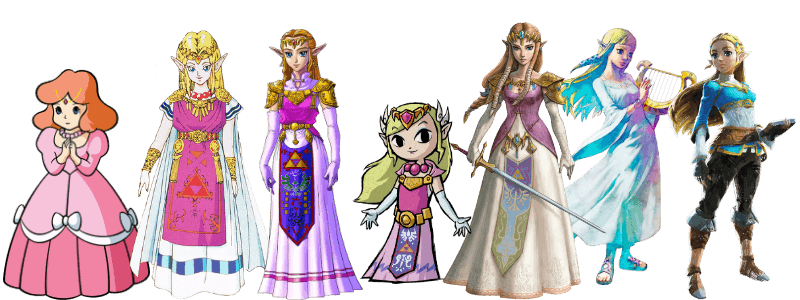
Image: Composite by Super Collectible. Images © Nintendo.
Princess Zelda
Princess Zelda has experienced one of the most meaningful evolutions in video game history. In the early titles, she often served as the classic damsel in distress, the royal figure Link had to rescue after Ganon’s latest attack. While she was always tied to wisdom and the Triforce, her role was sometimes distant, more symbolic than personal.
But as the series grew, so did Zelda.
In Ocarina of Time, she took on the secret identity of Sheik, actively guiding Link and playing a direct role in the fight against Ganondorf. In The Wind Waker, she appeared as the pirate captain Tetra, confident, sharp, and independent long before her royal identity was revealed. Twilight Princess portrayed her as a calm and self-sacrificing ruler willing to lay down her life for her kingdom.
Then came Breath of the Wild and Tears of the Kingdom, which brought her character to new emotional heights. In Breath of the Wild, Zelda isn’t just royalty, she’s a scholar deeply invested in ancient technology and history. We see her struggle with expectations, self-doubt, and the weight of destiny. Her frustration at not being able to awaken her sealing power makes her feel human and relatable. Through memories scattered across Hyrule, players witness her vulnerability, determination, and eventual growth.
Tears of the Kingdom builds on that foundation, giving Zelda an even stronger emotional presence and a pivotal role in the story’s heart. Rather than waiting to be saved, she makes profound sacrifices for the future of Hyrule. Her intelligence, compassion, and courage are central to the narrative.
After 40 years, Princess Zelda is no longer just a goal at the end of a quest. She is a fully realized character who is wise, capable, and essential to Hyrule’s survival. In many ways, her evolution mirrors the growth of storytelling in games themselves.
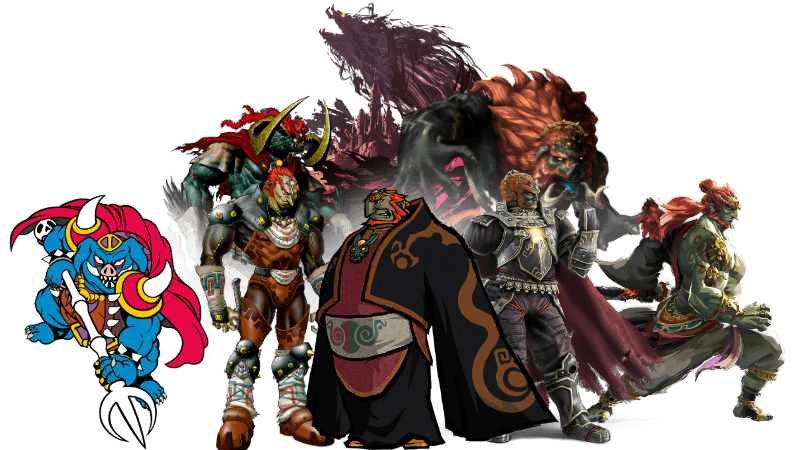
Image: Composite by Super Collectible. Images © Nintendo.
Ganon (Ganondorf)
The timeless foe, Ganon (or Ganondorf) remains one of gaming’s most enduring villains, a towering symbol of power, ambition, and destruction locked in an endless cycle with Link and Zelda. Since his first appearance as the pig-like demon Ganon in the original 1986 game, he has evolved into something far more complex. In A Link to the Past, he was the dark sorcerer who corrupted the Sacred Realm. In Ocarina of Time, we met Ganondorf in human form, a cunning Gerudo king whose thirst for dominion over Hyrule set the stage for one of the most iconic villain arcs in gaming history.
What makes Ganondorf stand out isn’t just his strength, but his presence. He isn’t chaos for chaos’ sake. He represents the Triforce of Power, and with it, an unrelenting desire to control destiny itself. Across different timelines and incarnations, he rises again and again, sometimes as a calculating warlock, sometimes as a monstrous beast, sometimes as a near-mythic force of nature like Calamity Ganon in Breath of the Wild. No matter the form, his shadow looms over Hyrule.
Since the first game’s release on NES, Ganon has been the embodiment of the eternal struggle between courage, wisdom, and power. As long as Hyrule stands, his legend, like Link’s and Zelda’s, will rise again.
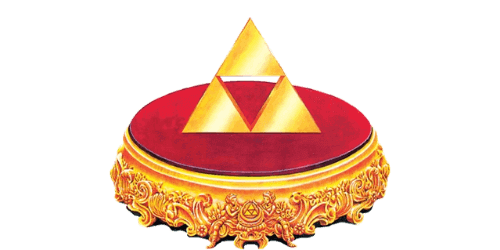
Image: © Nintendo – The Legend of Zelda: A Link to the Past (1991)
The Triforce
The Triforce, made up of Wisdom, Courage, and Power, remains one of the most recognizable symbols in gaming history. Introduced in the original 1986 game, this simple golden triangle quickly became the spiritual backbone of the entire series. At first glance, it’s just three triangles forming a larger one but its meaning runs much deeper.
Within the lore of Hyrule, the Triforce was left behind by the Golden Goddesses who created the world. Each piece represents a core trait: Power is typically claimed by Ganon, Wisdom is aligned with Princess Zelda, and Courage belongs to Link. When united, the Triforce grants the ability to make a wish that can reshape reality itself. But when someone with an unbalanced heart touches it, the relic splits, each piece going to the individual who best embodies its virtue.
That idea has driven the central conflict of the series for decades. It’s not just a magical artifact; it’s a symbol of balance. The eternal struggle between Link, Zelda, and Ganon isn’t random, it reflects the tension between these three forces. Power without wisdom can lead to destruction. Courage without wisdom can lead to recklessness. Wisdom without power may struggle to defend itself. Only together do they create harmony.
Beyond the story, the Triforce has become a cultural icon. It’s instantly recognizable on T-shirts, tattoos, collector’s items, and special edition consoles. Even people who have never played a Zelda game often recognize the symbol. Few gaming emblems carry that kind of weight.
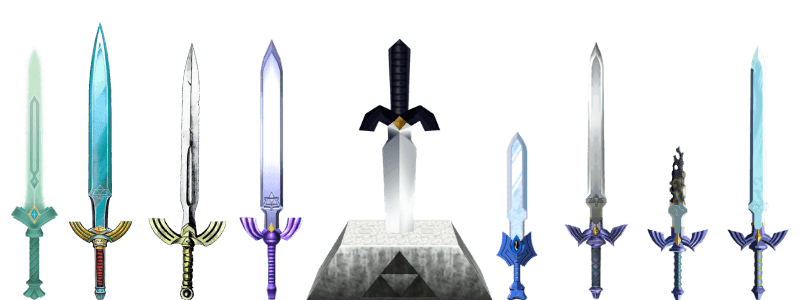
Image: Composite by Super Collectible. Images © Nintendo.
The Master Sword
The Master Sword stands as one of the most legendary weapons in video game history. Known as “The Blade of Evil’s Bane,” it is far more than just a powerful sword, it is a symbol of hope, destiny, and the unbreakable spirit of the hero. First introduced in A Link to the Past, the Master Sword quickly became a defining element of the Zelda mythos. From that moment on, pulling it from its resting place became a rite of passage for both Link and the player.
What makes the Master Sword special is what it represents. Only a true hero can wield it. Time and time again, we see Link prove his worth before claiming the blade. In Ocarina of Time, drawing the Master Sword from the Temple of Time sends Link seven years into the future, transforming him from a child into the Hero of Time. In Breath of the Wild, the sword rests quietly in Korok Forest, waiting for a hero strong enough in both body and spirit to lift it once more.
Unlike many weapons in gaming, the Master Sword feels alive within the story. In Skyward Sword, we witness its origin as the Goddess Sword, eventually reforged into the sacred blade we know today. That game deepens the lore, revealing the spirit Fi within the sword and tying its existence directly to Zelda and Hyrule’s ancient history.
Visually, the Master Sword is instantly recognizable: the blue hilt, wing-like crossguard, and glowing blade. Like the Triforce, it has become a cultural icon, replicated in collector editions, displayed at conventions, and proudly mounted in gaming rooms around the world.
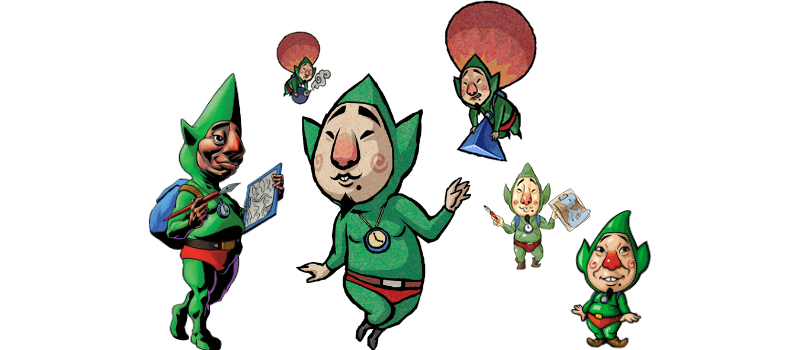
Image: Composite by Super Collectible. Images © Nintendo.
Tingle
And let’s not forget, Tingle, one of the strangest and most unforgettable characters Nintendo has ever created. First appearing in Majora’s Mask in 2000, Tingle is a map-obsessed, rupee-loving, fairy-obsessed grown man in a green jumpsuit who believes he is the reincarnation of a forest fairy.
At first glance, Tingle seems like comic relief, and he absolutely is, but he’s also become a cult icon within the Zelda community. Some fans adore his bizarre charm and over-the-top personality. Others find him completely ridiculous. That split reaction is exactly what has helped him endure. Tingle represents Zelda at its most unapologetically weird.
Love him or hate him, Tingle is proof that The Legend of Zelda isn’t afraid to embrace eccentric characters alongside its epic heroes and villains.
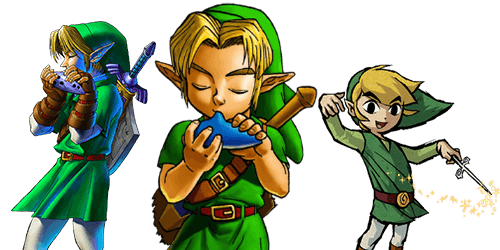
Image: Composite by Super Collectible. Images © Nintendo.
Music That Lives Forever
It’s impossible to talk about Zelda without mentioning the music.
The original overworld theme is instantly recognizable. The notes of “Zelda’s Lullaby,” “Gerudo Valley,” and the “Song of Storms” carry deep nostalgia for fans.
Composer Koji Kondo helped define what video game music could be. Over the years, orchestral concerts like The Legend of Zelda: Symphony of the Goddesses have celebrated the franchise’s soundtrack worldwide.
Forty years later, those melodies still give players chills.
A Collector’s Dream
For fans of retro gaming and collectibles, Zelda has always held a special place.
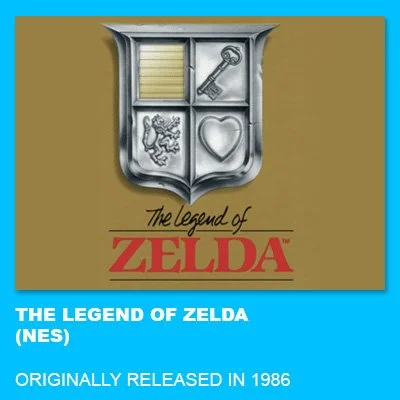
The original gold NES cartridge remains one of the most iconic pieces in gaming history. Boxed copies with maps and manuals are highly sought after.
Limited edition consoles, amiibo figures, strategy guides, manga adaptations, and anniversary releases have kept collectors busy for decades. From the Hyrule Historia book to Master Sword replicas, Zelda merchandise continues to celebrate the series’ rich lore.
For many collectors, owning a piece of Zelda history feels like owning part of gaming history itself.
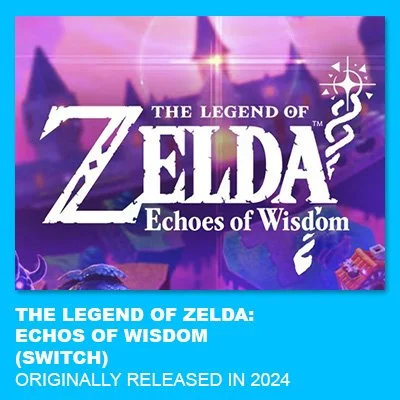
Mainline Game Releases


Why Zelda Endures
After 40 years, what makes The Legend of Zelda so special?
It’s not just nostalgia.
It’s the sense of discovery. The quiet moments. The feeling of stepping into a world that doesn’t revolve around you but invites you to explore it.
Zelda games trust players. They don’t rush you. They encourage curiosity. They reward experimentation. Whether you’re solving a dungeon puzzle or simply watching the sun rise over Hyrule, the series understands pacing in a way few franchises do.
It also evolves without losing its identity. Every generation feels fresh, yet unmistakably Zelda.
That balance is rare.
Forty Years of Courage
In 1986, a small 8-bit hero stepped into a vast world with nothing but a wooden sword. Forty years later, that hero’s legacy stands as one of the greatest stories in gaming.
The Legend of Zelda didn’t just give us memorable games. It helped define what video game adventures could be. It proved that games could create worlds worth getting lost in.
For many of us, Zelda is tied to childhood memories, late-night gaming sessions, and the thrill of discovering secrets with friends. It’s tied to the sound of a treasure chest opening and the triumphant fanfare that follows.
Forty years is a rare milestone in entertainment. Few franchises last that long. Even fewer remain this relevant.
As we look back on four decades of The Legend of Zelda, we’re reminded why we fell in love with it in the first place. It’s about courage in the face of darkness. It’s about wisdom gained through exploration. It’s about the power of adventure.
And most of all, it’s about stepping into the unknown because it’s dangerous to go alone.
Looking Ahead to the Future
As we celebrate the 40th anniversary in 2026, the future of Zelda feels as exciting as ever.
Will Nintendo continue expanding the open-world formula? Will we see a bold new art direction? A return to classic dungeons? A completely unexpected reinvention?
If history has taught us anything, it’s this: never underestimate Nintendo’s willingness to surprise us.
Whatever comes next, one thing is certain, Hyrule will continue to inspire new generations of players.
Here’s to 40 years of Hyrule… and many more adventures to come.